Conservative News Perspective: The Role of Faith in American Political Discourse
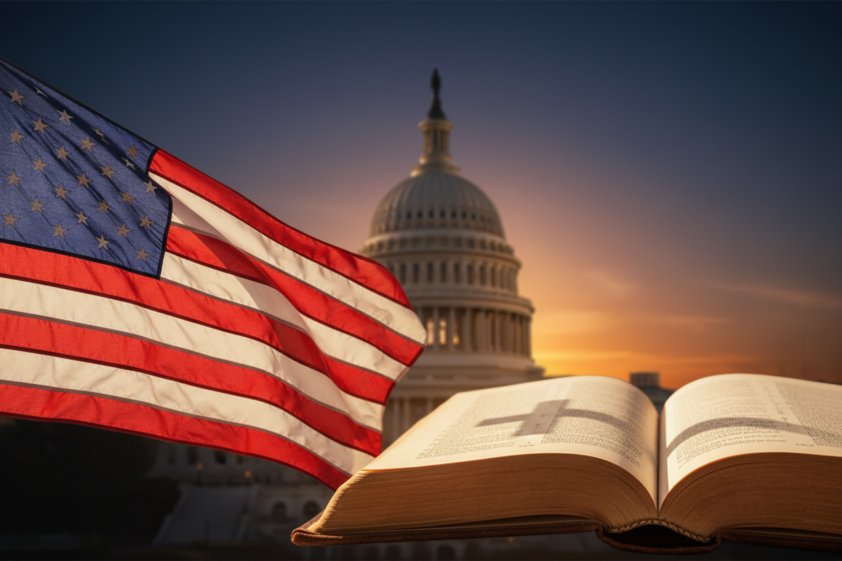
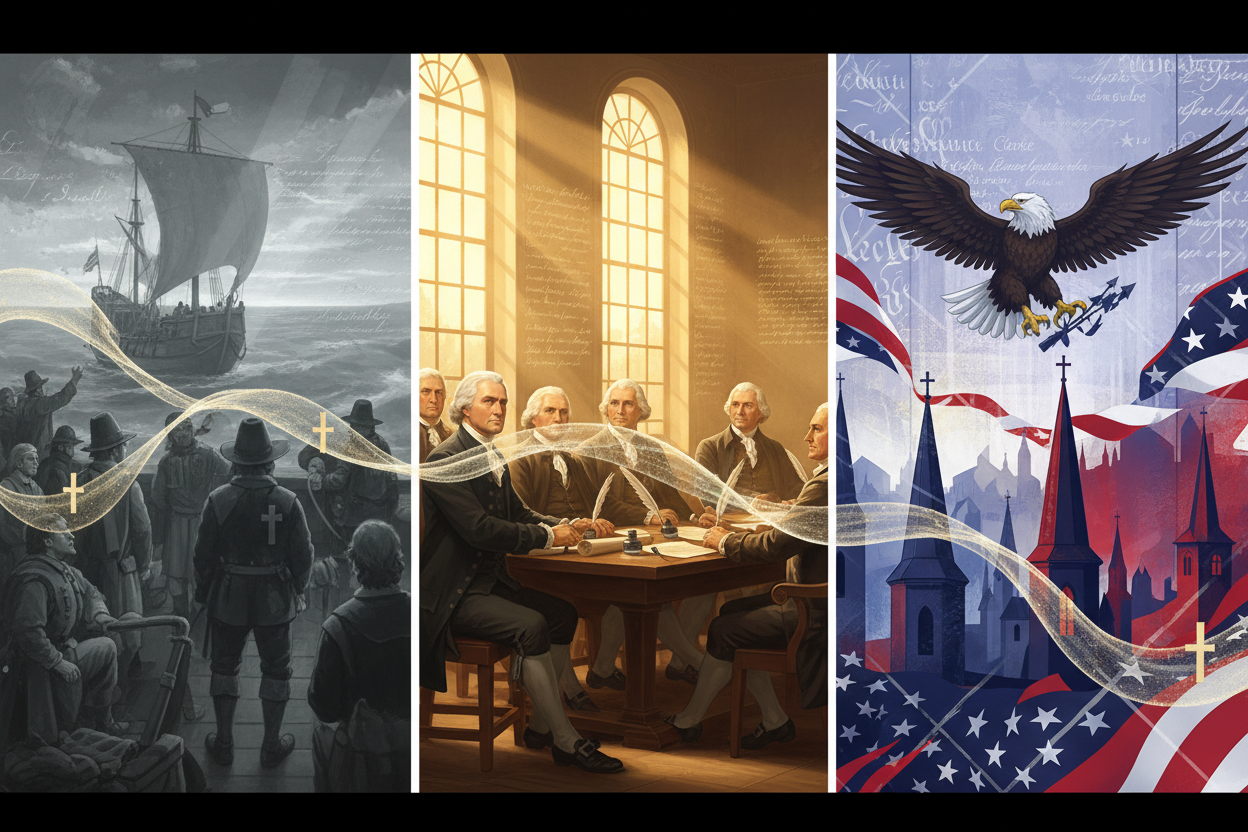
Faith has always been woven into the fabric of American society, from the Pilgrims seeking religious freedom to the founding fathers who referenced divine providence in our nation’s founding documents. Today, the intersection of faith and politics remains one of the most compelling and sometimes contentious aspects of American political discourse. Understanding how religious beliefs shape conservative political perspectives offers valuable insight into the broader American political landscape.
For millions of Americans, faith isn’t just a Sunday morning activity—it’s a comprehensive worldview that influences every aspect of life, including how they engage with political issues. This deep connection between personal beliefs and public policy positions has created a dynamic that continues to shape elections, legislation, and national conversations across the country.

Historical Foundations of Faith in American Politics
The relationship between faith and American politics didn’t begin yesterday. Our nation’s founding documents reflect the influence of Judeo-Christian principles, even as they established religious freedom as a cornerstone of American liberty. The Declaration of Independence speaks of rights endowed by our Creator, while the Constitution ensures that government cannot establish or prohibit the free exercise of religion.
Throughout American history, faith communities have played pivotal roles in major social movements. From the abolition of slavery to the civil rights movement, religious leaders and faithful citizens have often been at the forefront of positive social change. This tradition continues today as people of faith engage in political discourse guided by their deeply held beliefs about human dignity, family values, and moral responsibility.
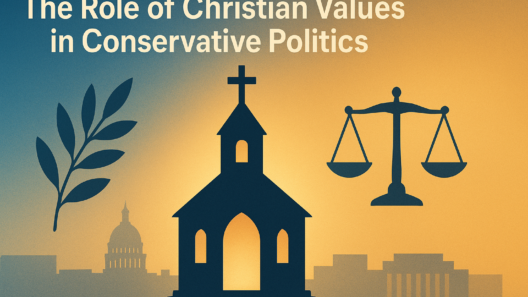
Conservative Christians, in particular, have found their voice in American politics by advocating for policies that align with their biblical worldview. This isn’t about imposing religion on others, but rather about bringing moral clarity to public policy debates and ensuring that religious perspectives have a seat at the table in our democratic society.
Core Values Driving Faith-Based Political Engagement
When examining the role of faith in conservative political discourse, several key values consistently emerge. These principles serve as guideposts for how many religious Americans approach political issues and candidate selection.
The sanctity of life stands as perhaps the most prominent issue connecting faith and conservative politics. For many believers, protecting life from conception to natural death isn’t just a political position—it’s a moral imperative rooted in the belief that every human being is created in God’s image. This conviction drives support for pro-life candidates and policies while opposing practices like abortion and euthanasia.
Traditional family values represent another cornerstone of faith-based political engagement. Conservative Christians often advocate for policies that strengthen marriage between one man and one woman, support parental rights in education, and promote family stability as the foundation of a healthy society. These positions stem from biblical teachings about family structure and the belief that strong families create strong communities.
Religious liberty remains a critical concern for faith communities navigating an increasingly secular political landscape. Conservative believers worry about government overreach that might limit their ability to live according to their religious convictions, whether in business practices, educational choices, or charitable activities. This has led to strong support for religious freedom protections and opposition to policies perceived as hostile to faith communities.
Faith Communities and Conservative Policy Positions
The influence of faith on conservative political positions extends far beyond social issues, though these often receive the most attention. Religious principles inform conservative approaches to economic policy, foreign relations, and governance philosophy in ways that might surprise those unfamiliar with faith-based political engagement.
Economic policies rooted in faith often emphasize personal responsibility, charitable giving, and limited government intervention. Many conservative Christians support free-market principles because they believe in the dignity of work and the importance of individual stewardship. They often prefer private charity and faith-based social services over government welfare programs, viewing personal generosity as both more effective and morally superior to mandated redistribution.
Foreign policy positions frequently reflect concerns about religious persecution worldwide and support for allies who share democratic values. Conservative faith communities have been vocal advocates for persecuted Christians globally while supporting strong relationships with nations like Israel based on both strategic interests and religious convictions.
Educational policy represents another area where faith significantly influences conservative positions. Many religious families support school choice initiatives, homeschooling rights, and curriculum standards that respect religious perspectives. They often oppose educational policies they view as undermining parental authority or promoting values contrary to their faith traditions.
Challenges and Criticisms in Modern Political Landscape
Faith-based political engagement faces significant challenges in today’s polarized environment. Critics often argue that religious influence in politics violates separation of church and state, while supporters maintain that people of faith have every right to participate fully in democratic processes.
One persistent challenge involves communicating faith-based positions to increasingly secular audiences. Conservative religious leaders and politicians must learn to translate moral convictions into language that resonates with voters who may not share their religious background. This requires careful balance between maintaining authenticity to core beliefs while building broader coalitions.
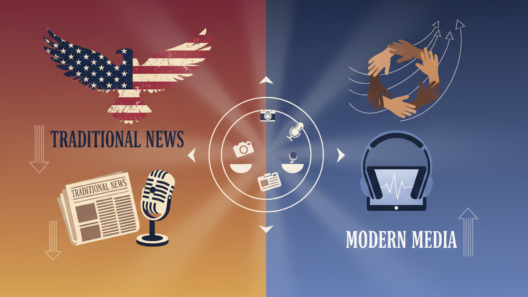
Media representation often presents another hurdle for faith-based political movements. Religious conservatives frequently feel that mainstream media coverage mischaracterizes their motivations or oversimplifies complex theological positions. This has led to the growth of alternative media sources and direct communication strategies that bypass traditional gatekeepers.
Generational differences within faith communities also create internal tensions. Younger religious Americans sometimes prioritize different issues than their parents, leading to evolving political coalitions and changing emphases within conservative religious movements. Navigating these shifts while maintaining core principles requires wisdom and flexibility from religious leaders.
The Future of Faith in American Political Discourse
Looking ahead, the role of faith in American political discourse will likely continue evolving as demographic changes reshape the electorate and new issues emerge on the national stage. However, the fundamental human need for meaning and moral guidance suggests that religious perspectives will remain relevant in political conversations.
Technology and social media have created new opportunities for faith communities to organize and communicate their political messages. Digital platforms allow for more direct engagement between religious leaders and their followers while enabling grassroots mobilization around specific issues or candidates.
Climate change, artificial intelligence, and biotechnology represent emerging policy areas where faith communities are developing positions based on theological principles. These issues will likely become increasingly important in future political campaigns as religious voters seek candidates who address these concerns from a moral perspective.
The growing religious diversity of America also presents both challenges and opportunities for faith-based political engagement. Conservative Christians must learn to work alongside other religious communities while maintaining their distinctive witness in the public square.
Building Bridges Through Respectful Dialogue
Perhaps the greatest opportunity for faith in American political discourse lies in its potential to elevate conversations beyond mere partisan politics toward deeper questions of meaning, purpose, and human flourishing. Religious traditions offer resources for civil dialogue, conflict resolution, and community building that our polarized society desperately needs.
Conservative faith communities can contribute to healthier political discourse by modeling respectful engagement with those who disagree, demonstrating how deeply held convictions can coexist with charitable dialogue. This doesn’t require compromising core beliefs but rather presenting them with humility and grace.
The prophetic tradition within Christianity also calls believers to speak truth to power regardless of party affiliation, holding all political leaders accountable to moral standards. This independent voice can serve as a valuable check on political excess while promoting policies that truly serve the common good.
Faith communities possess unique advantages in building social trust and bridging divides because their authority derives from sources beyond political power. When religious leaders speak authentically from their traditions while engaging respectfully with others, they can help restore civility to American political discourse.
The role of faith in American political discourse remains as relevant today as it was at our nation’s founding. Conservative religious communities continue to offer valuable perspectives on the moral dimensions of public policy while advocating for their deeply held convictions about human dignity, family values, and religious freedom. As America faces new challenges and opportunities, the wisdom of faith traditions will undoubtedly continue shaping our national conversation in meaningful ways. The key lies in maintaining both authentic witness and charitable engagement as people of faith participate fully in our democratic society.