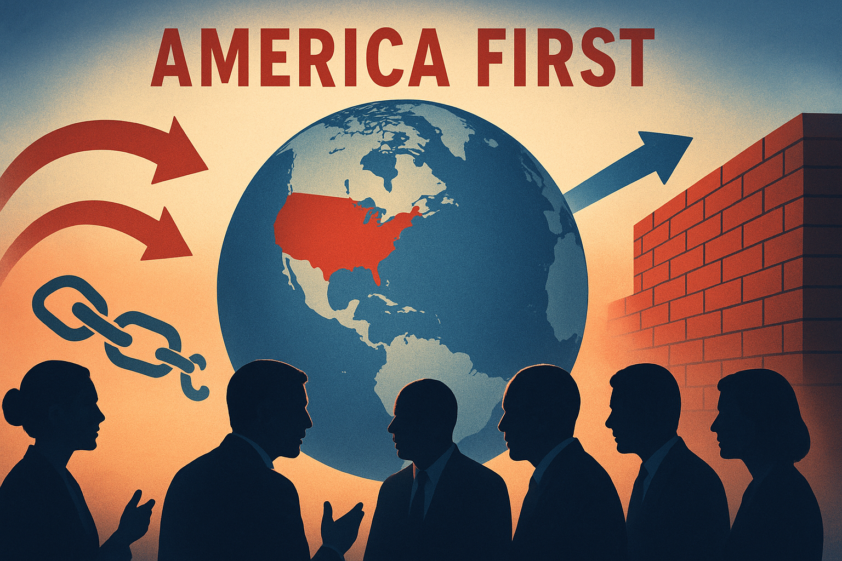
How ‘America First’ Policies Have Shaped Modern Politics
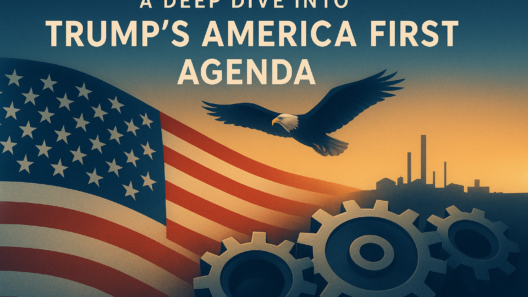
In recent years, the phrase “America First” has been a rallying cry in political discourse, sparking debates across the nation and the globe. Rooted in nationalism and a focus on prioritizing domestic interests, these policies have significantly influenced modern politics. Let’s explore how these policies have shaped not only the American political landscape but also its standing on the global stage. 🇺🇸
The Origins of ‘America First’
The notion of “America First” is not a new concept. It traces back to the early 20th century, originally emerging during World War I as a sentiment to keep the United States neutral and avoid foreign entanglements. This ideology resurfaced during World War II through the America First Committee, which opposed U.S. involvement in the war. However, the modern iteration of “America First” gained prominence during the 2016 presidential campaign, serving as a cornerstone of Donald Trump’s platform.
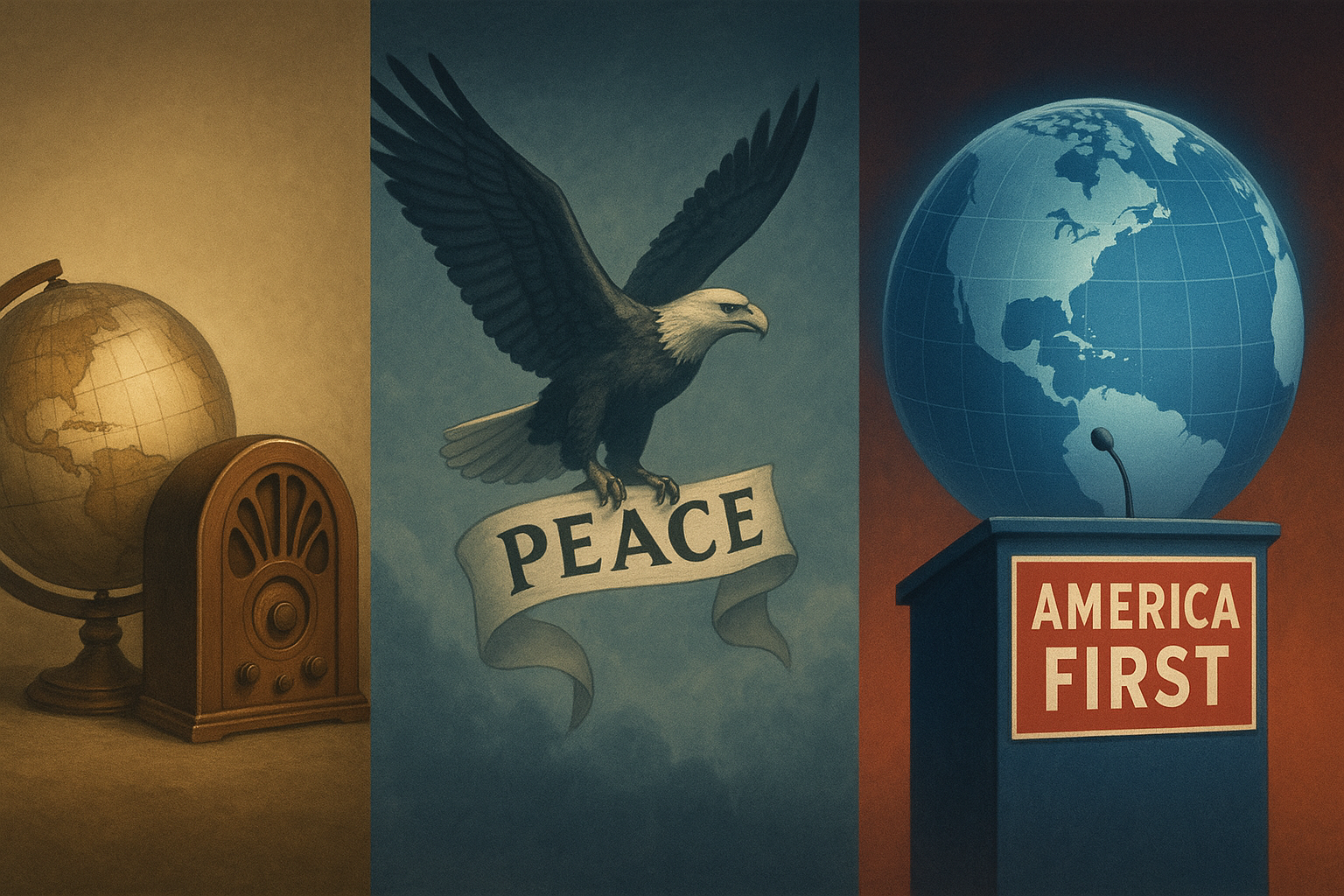
Economic Policies: Prioritizing Domestic Industry
One of the most significant impacts of “America First” policies has been on the economy. Emphasizing tariffs and trade protectionism, these policies aim to shield American industries from foreign competition. By imposing tariffs on imports, the idea was to encourage domestic production, create jobs, and reduce trade deficits. While this approach has indeed reinvigorated certain industries, such as steel and aluminum, it has also led to trade tensions with key partners like China and the European Union. 🤝
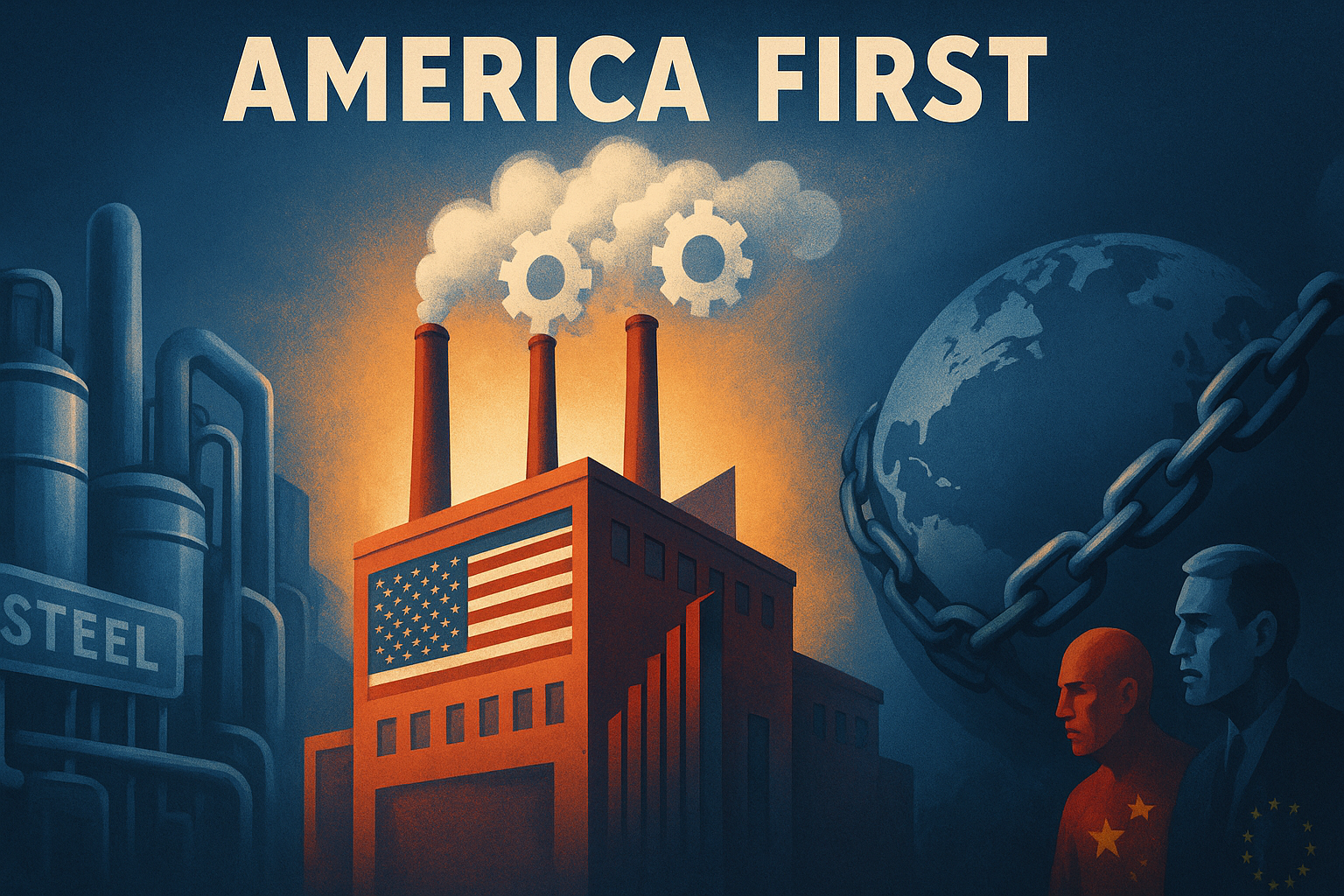
The emphasis on renegotiating trade deals, such as the United States–Mexico–Canada Agreement (USMCA), reflects this shift towards prioritizing American economic interests. Critics, however, argue that such protectionism can lead to higher consumer prices and retaliatory measures, potentially harming the global economy.
Immigration: A Central Pillar of ‘America First’
Immigration policies under the “America First” banner have also seen significant changes. The focus has been on tightening border security, reducing illegal immigration, and prioritizing the entry of skilled workers. Policies like the travel ban and increased deportations have been controversial, drawing criticism for being exclusionary and undermining America’s reputation as a melting pot of cultures.
These measures aim to protect American jobs and ensure national security. However, they have also sparked debates about the moral and ethical responsibilities of a nation built by immigrants. The balance between maintaining security and upholding humanitarian values continues to be a contentious issue in American politics. 🌎
Foreign Policy: A Shift in Global Dynamics
On the international front, “America First” has led to a reevaluation of alliances and foreign aid. The approach emphasizes that allies should contribute more to mutual defense agreements, as seen in the push for NATO countries to meet their defense spending commitments. This has strained relationships with traditional allies but also prompted discussions on equitable sharing of global responsibilities.
Additionally, the withdrawal from international agreements, such as the Paris Climate Accord and the Iran Nuclear Deal, underscores a preference for bilateral over multilateral engagements. While this strategy intends to prioritize American sovereignty and interests, it has also raised concerns about the U.S.’s role as a global leader in addressing international issues.
Environmental Policies: Balancing Growth and Conservation
Environmental regulations under “America First” policies have focused on reducing restrictions to boost industrial growth. The rollback of several environmental protections aimed to promote energy independence and economic expansion, particularly in fossil fuel industries like coal and oil.
While these measures support job creation and economic growth, they have also faced backlash from environmentalists and public health advocates. The challenge remains to find a sustainable balance between economic development and environmental stewardship, a topic that continues to divide policymakers and the public alike. 🌿
Conclusion: The Lasting Impact of ‘America First’
The “America First” policies have undeniably left a profound impact on modern politics, reshaping how America interacts with the world and manages its domestic affairs. While the approach has its supporters who appreciate the focus on national interests and sovereignty, it also faces significant criticism for its isolationist tendencies and potential long-term economic and diplomatic repercussions.
As the political landscape continues to evolve, the legacy of “America First” will likely remain a pivotal reference point in discussions about national priorities and global responsibilities. Whether these policies will lead to sustained prosperity or inadvertently isolate the U.S. from global progress remains a critical question for policymakers and citizens alike. 📈
The conversation about “America First” is far from over, and its influence will continue to be felt in many facets of American life and politics.
Join the Community
Want more than the headlines? Join Rock Nation on Substack for honest takes, deeper conversations, and independent content without the noise.