The Influence of Christian Leaders in Political News
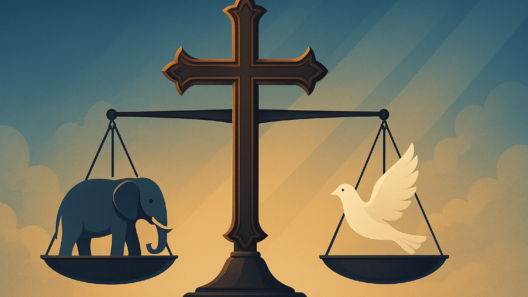
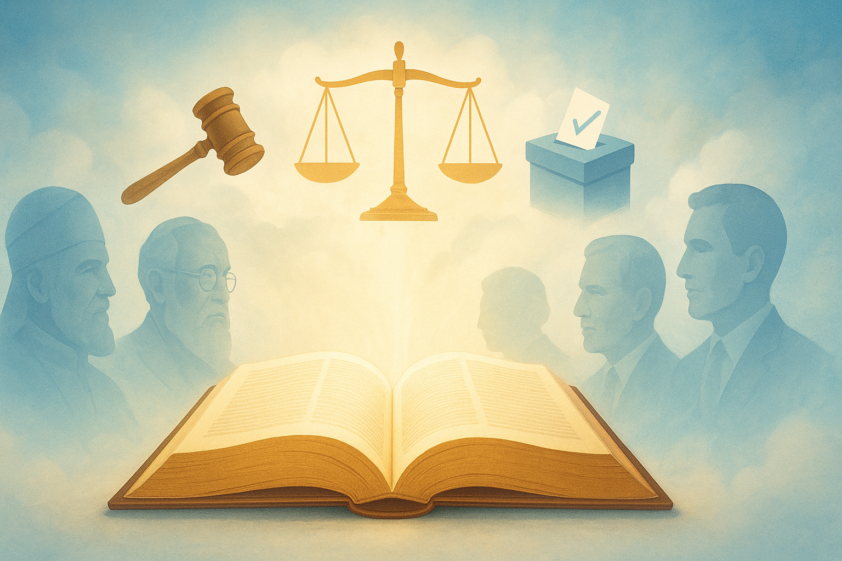
In the multifaceted world of politics, religious leaders have always played a pivotal role. Christianity, with its extensive history and broad following, often finds itself at the intersection of politics and public discourse. The influence of Christian leaders in political news is a subject that deserves a deep dive, as it shapes opinions, guides policies, and often influences election outcomes.
The Historical Context of Christian Leaders in Politics
Historically, the synergy between religious leaders and politics is as old as the institutions themselves. From the Middle Ages, when popes wielded significant political power, to the present day, where religious endorsements can sway public opinion, the influence of Christian leaders has always been palpable.
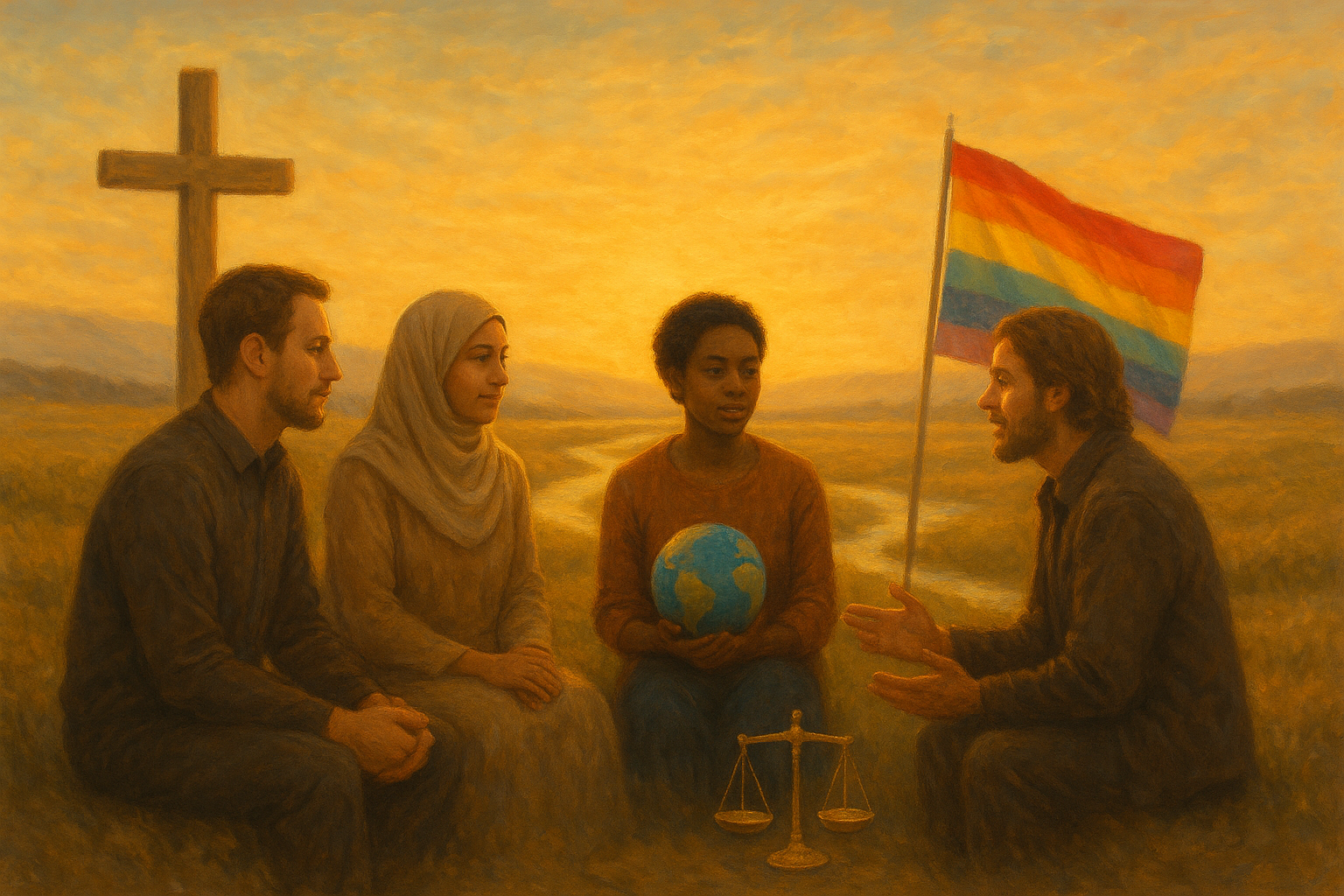
One notable example is the role of religious figures in the civil rights movement. Leaders like Martin Luther King Jr. used their moral authority to advocate for justice and equality, demonstrating how religious values can influence political change. This historical precedent highlights the potential for Christian leaders to shape political landscapes, especially when they align their messages with pressing social issues.
Modern-Day Impact: Bridging Faith and Politics
In contemporary times, the influence of Christian leaders is often seen in the endorsement of candidates or policies that align with their faith-based values. In countries like the United States, where religion remains a significant cultural force, Christian leaders often have a substantial impact on voter behavior and policy-making.
For instance, during election cycles, endorsements from well-known pastors or religious organizations can be pivotal. Candidates frequently seek the support of these leaders to gain credibility and trust within religious communities. This relationship is symbiotic, as leaders leverage their platforms to influence political narratives while candidates gain access to a dedicated voter base. 🗳️
The Media’s Role in Amplifying Voices
The media plays a crucial role in amplifying the voices of Christian leaders in political discourse. News outlets, particularly those with a religious or conservative leaning, often highlight the opinions of religious figures, framing them as moral compasses in a complex political landscape.
This coverage can be a double-edged sword. On one hand, it provides a platform for leaders to express their views and reach a broader audience. On the other hand, it can also lead to polarization, as differing interpretations of religious texts can fuel divisive rhetoric. The media’s portrayal of these leaders can significantly influence public perception and political alignment, sometimes turning spiritual guidance into political strategy. 📺
Challenges and Controversies
While the involvement of Christian leaders in politics can be beneficial, it also comes with its set of challenges. One major issue is the potential for religious bias to overshadow secular governance. When religious beliefs are prioritized over empirical evidence or diverse perspectives, it can lead to policy decisions that are not inclusive or equitable.
Controversies can arise when religious leaders take stances on contentious issues such as abortion, LGBTQ+ rights, or climate change. These topics often lead to heated debates, not just politically but within religious communities themselves. The challenge for Christian leaders is to navigate these waters carefully, advocating for policies that align with their values while also respecting differing viewpoints. This balancing act is crucial for maintaining credibility and fostering unity rather than division. 🌍
The Path Forward: Engaging Constructively
As we look to the future, the role of Christian leaders in political news will likely continue to evolve. The key is constructive engagement where religious values are integrated into political dialogue in ways that promote understanding and progress.
Leaders can play a transformative role by focusing on common ground and emphasizing values that unite rather than divide. Whether it’s advocating for social justice, environmental stewardship, or ethical governance, the potential for positive impact is immense. By fostering inclusive conversations and encouraging empathy, Christian leaders can help bridge gaps and contribute to a more cohesive society.
Conclusion: A Dynamic Influence
The influence of Christian leaders in political news is undeniable and continually evolving. It reflects the ongoing dialogue between faith and governance, a dialogue that is as essential as it is complex. While challenges remain, the potential for positive change is vast. By embracing a role that is both spiritually grounded and socially conscious, Christian leaders can continue to impact political landscapes in meaningful ways. ✨
In a world that often feels divided, the voices of these leaders offer not only guidance but hope. Through thoughtful engagement and a commitment to the greater good, they have the power to shape a future that reflects both faith and justice.
Join the Community
Want more than the headlines? Join Rock Nation on Substack for honest takes, deeper conversations, and independent content without the noise.