Exploring the Relationship Between Conservatism and Christianity
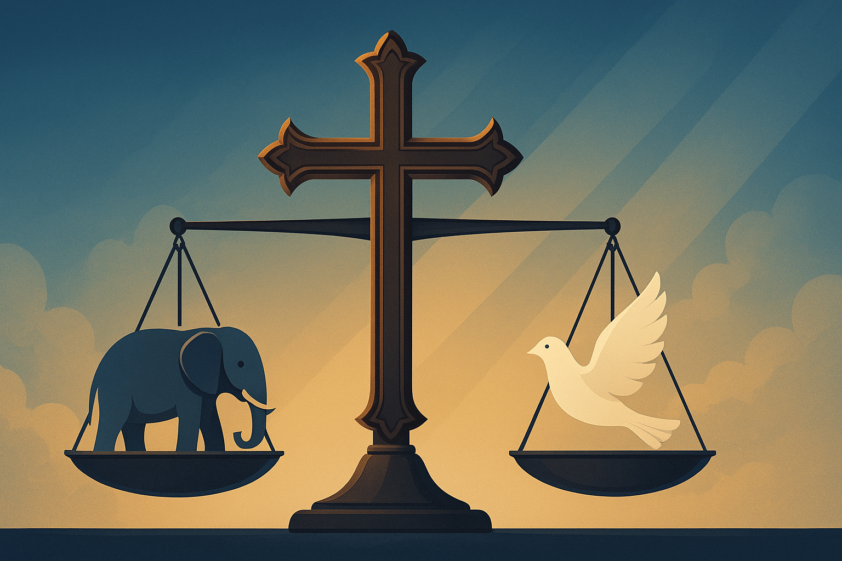
The intersection of conservatism and Christianity has long been a topic of interest, particularly in Western societies where both have played significant roles in shaping cultural, political, and social landscapes. But what exactly defines the relationship between conservatism and Christianity? Let’s delve into the nuances of this relationship, examining historical contexts, modern interpretations, and the impact on society.
The Historical Roots of Conservatism and Christianity
The relationship between conservatism and Christianity can be traced back to the early days of Western civilization. Historically, Christianity provided a moral and ethical framework that influenced governance and societal norms. Conservatism, as a political philosophy, often emphasizes tradition, social stability, and continuity, which naturally aligns with many Christian principles.

In Europe, the intertwining of church and state laid the groundwork for a conservative approach that sought to preserve the religious and cultural heritage. This was evident during the Middle Ages, where monarchies often relied on the church for legitimacy and guidance. The Reformation and subsequent religious wars further solidified the bond between conservative ideologies and Christian values, as different factions sought to preserve their religious traditions in the face of change.
Conservatism and Christianity in Modern Politics
In today’s political climate, particularly in the United States, the relationship between conservatism and Christianity remains strong and influential. Many conservative political movements and parties often adopt Christian values as part of their platform, appealing to a significant demographic that identifies with these beliefs.
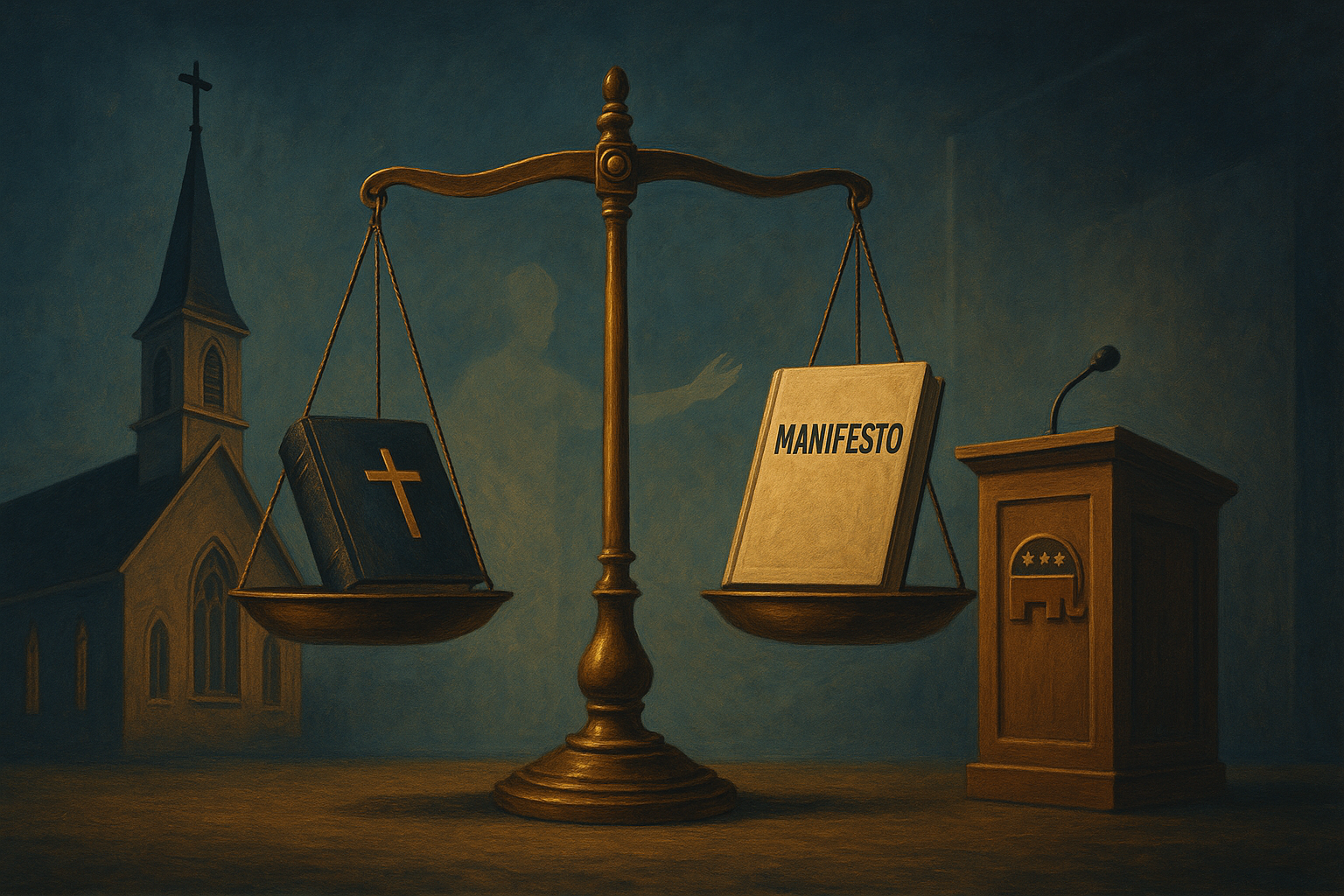
The “Religious Right,” a term often used in American politics, exemplifies this connection. This movement gained momentum in the late 20th century, advocating for policies that reflect Christian ethics, such as opposition to abortion and same-sex marriage. Political figures and parties have leveraged this alliance to gain support, highlighting the ongoing relevance of Christianity in shaping conservative agendas.
Shared Values: The Core of the Relationship
The bond between conservatism and Christianity is underpinned by shared values and beliefs. Both emphasize the importance of family, community, and moral integrity. The belief in an objective moral order, often rooted in biblical teachings, aligns with the conservative emphasis on preserving traditional values and resisting radical change.
Furthermore, the notion of individual responsibility and self-governance, central to many conservative ideologies, resonates with Christian teachings on personal accountability and stewardship. This synergy creates a powerful narrative that appeals to those who seek stability and order in a rapidly changing world.
Challenges and Criticisms
While the relationship between conservatism and Christianity is strong, it is not without its challenges and criticisms. Some argue that the politicization of Christianity has led to a distortion of its core teachings, prioritizing political gain over spiritual integrity. Critics also point to the exclusionary nature of certain conservative policies, which may conflict with the Christian ethos of compassion and inclusivity.
Additionally, the diversity within Christianity itself means that not all Christians align with conservative ideologies. Progressive Christians often advocate for social justice and reform, challenging the notion that conservatism is the only political expression of Christian faith.
The Impact on Society
The interplay between conservatism and Christianity has a profound impact on society, influencing everything from legislation to cultural norms. This relationship shapes debates on critical issues such as education, healthcare, and human rights, often reflecting the moral and ethical considerations rooted in Christian teachings.
The influence extends beyond politics, affecting social dynamics and community structures. Faith-based organizations often play a pivotal role in community support and development, embodying the conservative and Christian commitment to service and social responsibility.
Conclusion: A Complex and Evolving Relationship
The relationship between conservatism and Christianity is complex and multifaceted, deeply embedded in historical contexts and evolving with contemporary challenges. While this alliance has provided a cohesive framework for many, it also invites ongoing dialogue and reflection on how best to embody these values in a diverse and changing world.
Ultimately, understanding this relationship requires an appreciation of the historical roots, shared values, and the dynamic nature of both conservatism and Christianity. By exploring these dimensions, we gain insights into the powerful forces shaping our societies and the potential for future developments. 🌟
Join the Community
Want more than the headlines? Join Rock Nation on Substack for honest takes, deeper conversations, and independent content without the noise.