The 2026 Iran conflict began on February 28, 2026, as an armed conflict initiated by the United States and Israel against Iran and its regional allies. This joint start immediately raises a central question: Did the U.S. enter this war largely because Israel pushed for it, or was the decision a fully shared strategic choice? To answer that, we have to look at how the conflict unfolded, who is fighting, and what the political dynamics look like both in Washington and the Middle East.
How the 2026 Iran War Began
The war kicked off with a coordinated U.S.-Israeli military campaign. On one side, the United States lined up with Israel, Saudi Arabia, the United Arab Emirates, Kuwait, and Yemen. On the other side, Iran brought in Hezbollah, the Houthis, the Amal Movement, the Popular Mobilization Forces, and the Islamic Resistance in Iraq. The conflict also triggered a Strait of Hormuz crisis, a critical maritime chokepoint for global oil shipments.
Because the war was launched jointly, it is impossible to separate U.S. and Israeli decision-making at the outset. However, the fact that Israel is listed as a co-initiator means the two countries were already in lockstep before the first strike. That does not automatically prove Israel pressured the U.S., but it does show that the White House was willing to act in direct partnership with Israel from day one.
The Escalation and Current Status
Military Strikes and Strategy
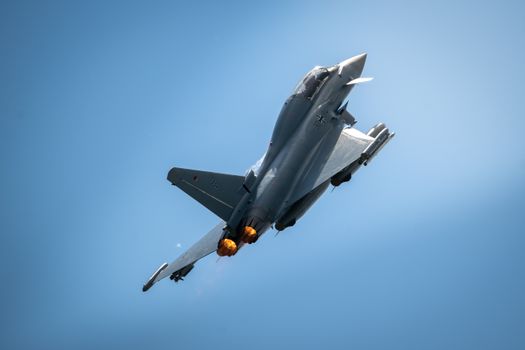
By July 24, 2026, the U.S. military had completed 13 consecutive nights of strikes on Iran, according to Reuters. On the ground, almost 100 U.S. service personnel were injured and three American soldiers were killed in the conflict in the past fortnight, as reported by the BBC. Iran responded by flying IRGC commanders and missile gear to Yemen’s Houthis in July 2026, escalating the regional front. The U.S. also attacked a nuclear power plant being built at Darkhovin, which UN inspectors said contained no nuclear material, a detail that has fueled debate about the war’s stated objectives.
Yemen’s Houthis announced a maritime embargo against Saudi Arabia in July 2026, and the Houthis also attacked Saudi tankers in the Red Sea, threatening a new chokepoint. This widened the conflict beyond Iran’s borders.
Economic and Regional Impact
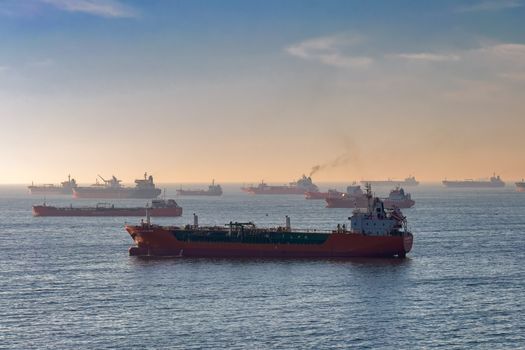
Oil surged over $100 per barrel following Houthi attacks and President Trump’s vow to punish Iran. Hormuz ship transits remained steady at about three per day for several days as of July 24, 2026, according to shipping data. The war’s costs make up a third of the $87.6 billion supplemental request to Congress, a massive financial commitment. The Center for Strategic and International Studies (CSIS) described the war as entering a dangerous new phase with escalating U.S.-Iran strikes widening beyond the Strait of Hormuz.
Ceasefire Collapse
A brief period of calm came in June 2026 when a memorandum of understanding was reached to reopen the Strait of Hormuz. But Iran continued to threaten ships, and President Trump declared the ceasefire over on July 7, 2026, after ships were attacked in the strait. The Pentagon continued strikes even after that declaration, leaving the status of any diplomatic off-ramp uncertain.
Was the U.S. Pressured by Israel to Engage?
To answer this directly: the available evidence does not support a simple story of Israel twisting America’s arm. The war was initiated jointly, meaning the U.S. and Israel planned and executed the opening moves together. That coordination suggests shared strategic goals, not a reluctant superpower being dragged into someone else’s fight. Comments from U.S. officials have not revealed any significant internal dissent about Israeli influence, though the political debate in Congress shows a split.
The U.S. House voted to curb President Trump’s war powers over Iran in July 2026, while the Senate backed the president. That partisan divide could reflect concerns about the war’s scope and justification, but it does not directly implicate Israel as a pressure source. Some analysts point to Israel’s long-standing alarm over Iran’s nuclear program as a motivating factor, but the attack on the Darkhovin plant, which had no nuclear material, casts doubt on the nuclear justification for that particular strike. The unanswered question remains: if the nuclear threat was overstated, what other reasons drove the U.S. to commit so fully alongside Israel?
Other factors likely played a larger role than Israeli pressure. The U.S. has its own reasons for confronting Iran: protecting oil shipping lanes in the Strait of Hormuz, countering Iranian proxies like the Houthis and Hezbollah, and checking Iran’s growing influence in Iraq and Yemen. The joint initiation with Israel may simply reflect overlapping interests rather than one nation coercing the other. Still, Israel’s position as a co-belligerent means it shares responsibility for the war’s consequences.
The Broader Stakes and Uncertainties
CSIS analysis describes the war as entering a dangerous new phase with strikes widening beyond the Strait of Hormuz. Reuters calls the 2026 Iran war the most consequential military operation in the Middle East in more than two decades. The scale is enormous: almost 100 U.S. casualties in a fortnight alone, billions in supplemental spending, and a global oil market in turmoil. The role of Russia in Iran’s strikes on CIA facilities has been questioned but not confirmed. Civilian casualty figures are not available from the provided sources, and the full list of countries providing support to either side remains incomplete. What is clear is that the war shows no signs of de-escalation, and the U.S.-Israel partnership remains central to its prosecution.
Frequently Asked Questions
Why did the U.S. get involved in the 2026 Iran war?
The U.S. initiated the war jointly with Israel on February 28, 2026. Official reasons include protecting the Strait of Hormuz, countering Iranian proxies, and responding to threats against shipping. The attack on a nuclear plant that contained no nuclear material has raised questions about the stated objectives. The war is part of a broader U.S. strategy to contain Iran’s regional influence.
Is Israel leading the war against Iran?
Israel is a co-initiator and a major belligerent alongside the United States. Both countries are listed as initiating the conflict. Israel has its own long-standing concerns about Iran’s nuclear program and proxy forces. However, the U.S. is conducting the bulk of the strikes, as seen in the 13 consecutive nights of U.S. airstrikes. The relationship is better described as a partnership than one side leading the other.
Did the ceasefire with Iran completely collapse?
President Trump declared the June 2026 ceasefire over on July 7, 2026, after ships were attacked in the Strait of Hormuz. A memorandum of understanding had been reached in June to reopen the strait, but Iran continued to threaten vessels. The Pentagon continued strikes even after Trump’s declaration, indicating that the ceasefire is effectively dead.
What role does the Strait of Hormuz play in the conflict?
The Strait of Hormuz is a critical maritime chokepoint for global oil shipments. The conflict includes a Strait of Hormuz crisis, and shipping transits dropped to about three per day in late July 2026. Houthi attacks on Saudi tankers in the Red Sea, along with Iran’s threats to shipping, have disrupted oil flows and pushed oil prices above $100 per barrel.
The 2026 Iran conflict remains an open and escalating war, with the U.S. and Israel operating as co-belligerents. Whether Israeli pressure was the decisive factor for U.S. involvement is not conclusively proven by the available facts, but the joint initiation and continued coordination make clear that both nations bear equal responsibility for the war’s direction. As the fighting enters what CSIS calls a dangerous new phase, the reasons behind U.S. commitment and the influence of its allies will continue to be debated.