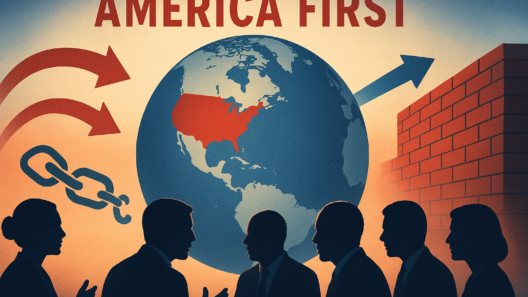
The phrase “America First” has echoed through American political discourse for generations, but its roots run far deeper than many realize. This concept, which prioritizes American interests above international entanglements, has shaped U.S. foreign policy decisions for centuries. From George Washington’s farewell warnings to modern-day political movements, isolationist sentiment has remained a persistent thread in the American political fabric.
Understanding the historical foundations of American isolationism isn’t just an academic exercise—it’s crucial for comprehending how the United States has navigated its role on the world stage. These policies have influenced everything from trade relationships to military interventions, making their study essential for anyone seeking to understand American foreign policy.
The Founding Fathers and Early Isolationist Principles
The seeds of American isolationist policy were planted by the nation’s founders, who had witnessed firsthand the devastating effects of European conflicts. George Washington’s Farewell Address in 1796 serves as perhaps the most influential early statement of American isolationist principles. In this historic speech, Washington warned against “permanent alliances with any portion of the foreign world” and advocated for commercial relationships without political connections.
Washington’s concerns weren’t theoretical—they were born from practical experience. The young nation had already been drawn into conflicts between Britain and France, threatening to tear apart the fragile American republic. His successor, Thomas Jefferson, reinforced these ideas in his inaugural address, calling for “peace, commerce, and honest friendship with all nations, entangling alliances with none.”
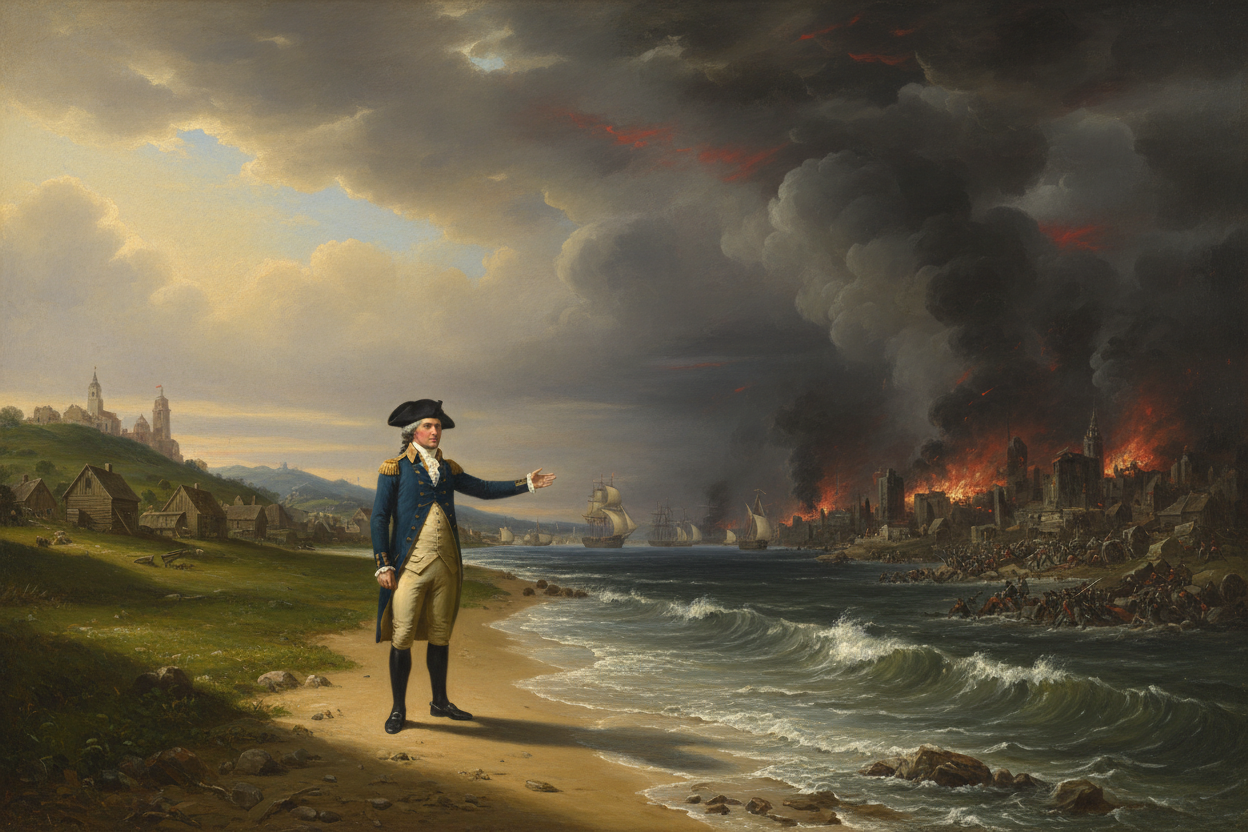
These early leaders understood something fundamental: America’s geographic isolation provided a unique opportunity to develop independently, free from the constant warfare that plagued Europe. The Atlantic Ocean served as a natural barrier, giving the United States breathing room to establish its institutions and expand westward without immediate foreign interference.
The Monroe Doctrine: Defining America’s Sphere of Influence
In 1823, President James Monroe articulated what would become known as the Monroe Doctrine, a policy that perfectly encapsulated early American isolationist thinking. The doctrine established two key principles: European powers should not interfere in the affairs of the Western Hemisphere, and in return, the United States would stay out of European conflicts.
This wasn’t just diplomatic posturing—it was a clear statement of American priorities. The Monroe Doctrine essentially drew a line around the Americas, declaring them off-limits to European colonization while simultaneously promising American non-interference in European affairs. This policy allowed the United States to focus on continental expansion and economic development without the burden of overseas commitments.
The doctrine proved remarkably durable, influencing American foreign policy decisions well into the 20th century. It provided a framework for understanding America’s place in the world: dominant in its own hemisphere but reluctant to engage in global affairs beyond its immediate sphere of influence.
Manifest Destiny and Continental Focus
The concept of Manifest Destiny, which emerged in the 1840s, represented another manifestation of isolationist thinking. While it involved territorial expansion, this expansion was continental rather than overseas. Americans believed they were destined to spread across the North American continent, but this vision remained geographically constrained.
This inward focus served multiple purposes. It provided opportunities for economic growth, offered outlets for population expansion, and reinforced the idea that America’s future lay in developing its own resources rather than seeking overseas territories. The California Gold Rush, westward migration, and the completion of the transcontinental railroad all reflected this continental orientation.
Even as the United States engaged in conflicts like the Mexican-American War, these actions were viewed through the lens of continental completion rather than imperial expansion. The goal was to fulfill America’s continental destiny, not to establish overseas empires like European powers.
Economic Isolationism and Protective Tariffs
American isolationist policy extended beyond military and diplomatic affairs into economic policy. Throughout much of the 19th century, the United States maintained high protective tariffs designed to shield American industries from foreign competition. These policies reflected a belief that economic independence was crucial for political independence.
The tariff debates of the 1800s revealed deep philosophical divisions about America’s relationship with the world economy. Proponents of high tariffs argued that protecting American industry was essential for national security and economic development. They viewed free trade with suspicion, seeing it as a potential threat to American sovereignty and worker welfare.
This economic nationalism complemented political isolationism perfectly. Just as America sought to avoid foreign political entanglements, it also worked to minimize economic dependence on other nations. The goal was to create a self-sufficient economy that could support American political independence.
The Spanish-American War: A Turning Point
The Spanish-American War of 1898 marked a significant departure from traditional isolationist policy. For the first time, the United States acquired overseas territories, including the Philippines, Puerto Rico, and Guam. This expansion sparked intense debate about America’s role in the world and whether overseas empire was compatible with American values.
The acquisition of the Philippines proved particularly controversial. Anti-imperialists like Mark Twain and Andrew Carnegie argued that ruling overseas territories violated fundamental American principles of self-government and consent of the governed. They saw imperialism as a betrayal of the isolationist principles that had guided the nation since its founding.
However, supporters of expansion argued that America’s growing power brought new responsibilities. They contended that the United States could no longer remain isolated in an increasingly interconnected world. This debate established a tension between isolationist tradition and emerging global responsibilities that would define American foreign policy for decades.
World War I and the Return to Isolationism
World War I represented another challenge to traditional isolationist policy. Despite President Woodrow Wilson’s initial promise to keep America out of the European conflict, the United States eventually entered the war in 1917. Wilson’s vision of making the world “safe for democracy” represented a dramatic departure from isolationist principles.
However, the war’s aftermath saw a powerful return to isolationist sentiment. The Senate’s rejection of the League of Nations reflected widespread American reluctance to accept permanent international commitments. Many Americans felt that the war had proven the wisdom of Washington’s warnings about foreign entanglements.
The 1920s and 1930s witnessed a resurgence of isolationist policy. The United States pursued what historians call “independent internationalism”—engaging with the world economically while avoiding political commitments. This approach reflected a desire to enjoy the benefits of global engagement without accepting its responsibilities.
The Neutrality Acts and Interwar Isolationism
The Neutrality Acts of the 1930s represented the high-water mark of American isolationist policy. These laws were designed to prevent the United States from being drawn into another European war through economic entanglements. They prohibited arms sales to belligerents, banned American ships from carrying goods to warring nations, and restricted American travel on belligerent vessels.
These policies reflected lessons learned from World War I. Many Americans believed that the United States had been manipulated into entering that conflict by bankers and arms manufacturers who profited from war. The Neutrality Acts were intended to eliminate these economic incentives for war.
However, the rise of fascism in Europe and Asia gradually undermined support for strict neutrality. As Nazi Germany and Imperial Japan became increasingly aggressive, many Americans began to question whether isolationism was still viable in an interconnected world.
Legacy and Modern Implications
The attack on Pearl Harbor in 1941 effectively ended America’s isolationist era, but the underlying tensions between international engagement and domestic priorities have never fully disappeared. Throughout the Cold War and into the present day, debates about American foreign policy have often returned to fundamental questions about the proper balance between international responsibilities and domestic concerns.
Modern “America First” movements draw heavily on this isolationist tradition, arguing that the United States has become overextended internationally at the expense of domestic priorities. These arguments echo concerns raised by Washington, Jefferson, and other early leaders about the dangers of foreign entanglements.
Understanding this historical context helps explain why isolationist sentiment remains potent in American politics. It’s not simply a reaction to current events but reflects deep-seated beliefs about American exceptionalism, self-reliance, and the proper relationship between the United States and the rest of the world.
The historical roots of American isolationist policy reveal a consistent theme throughout the nation’s development: the tension between America’s growing power and its traditional reluctance to accept global responsibilities. From Washington’s Farewell Address to modern political movements, this tension has shaped American foreign policy decisions and continues to influence contemporary debates about America’s role in the world. Understanding these historical foundations provides crucial context for evaluating current foreign policy challenges and the ongoing relevance of isolationist principles in American political thought.