Understanding the Intersection of Faith and Politics
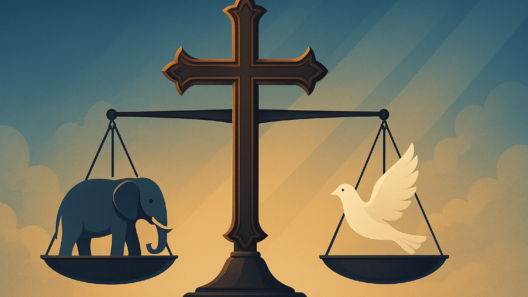
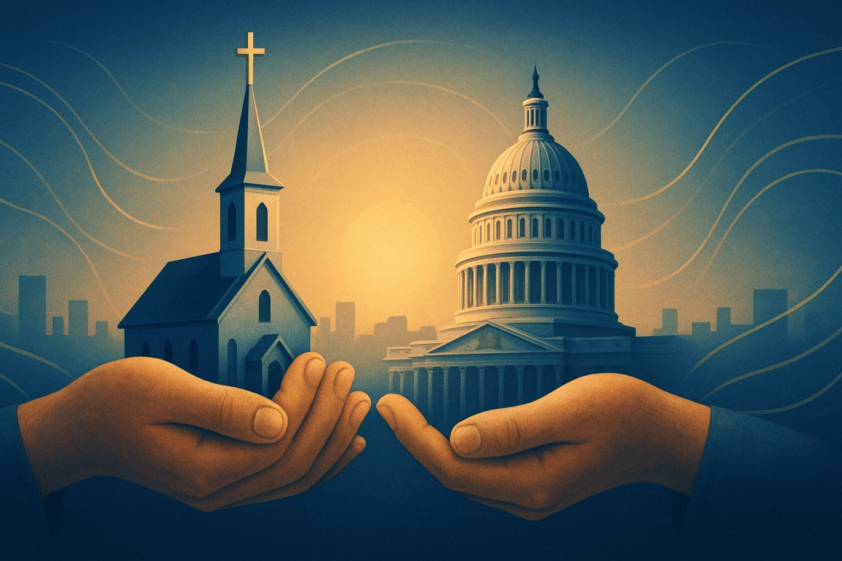
In today’s rapidly evolving world, the intersection of faith and politics is more relevant than ever. This complex relationship has shaped societies, influenced decisions, and sparked debates across the globe. Whether you’re a devout believer, a political enthusiast, or simply curious about the dynamics at play, understanding how faith and politics intertwine is crucial. Join me as we explore this fascinating subject! 🌟
The Historical Context of Faith and Politics
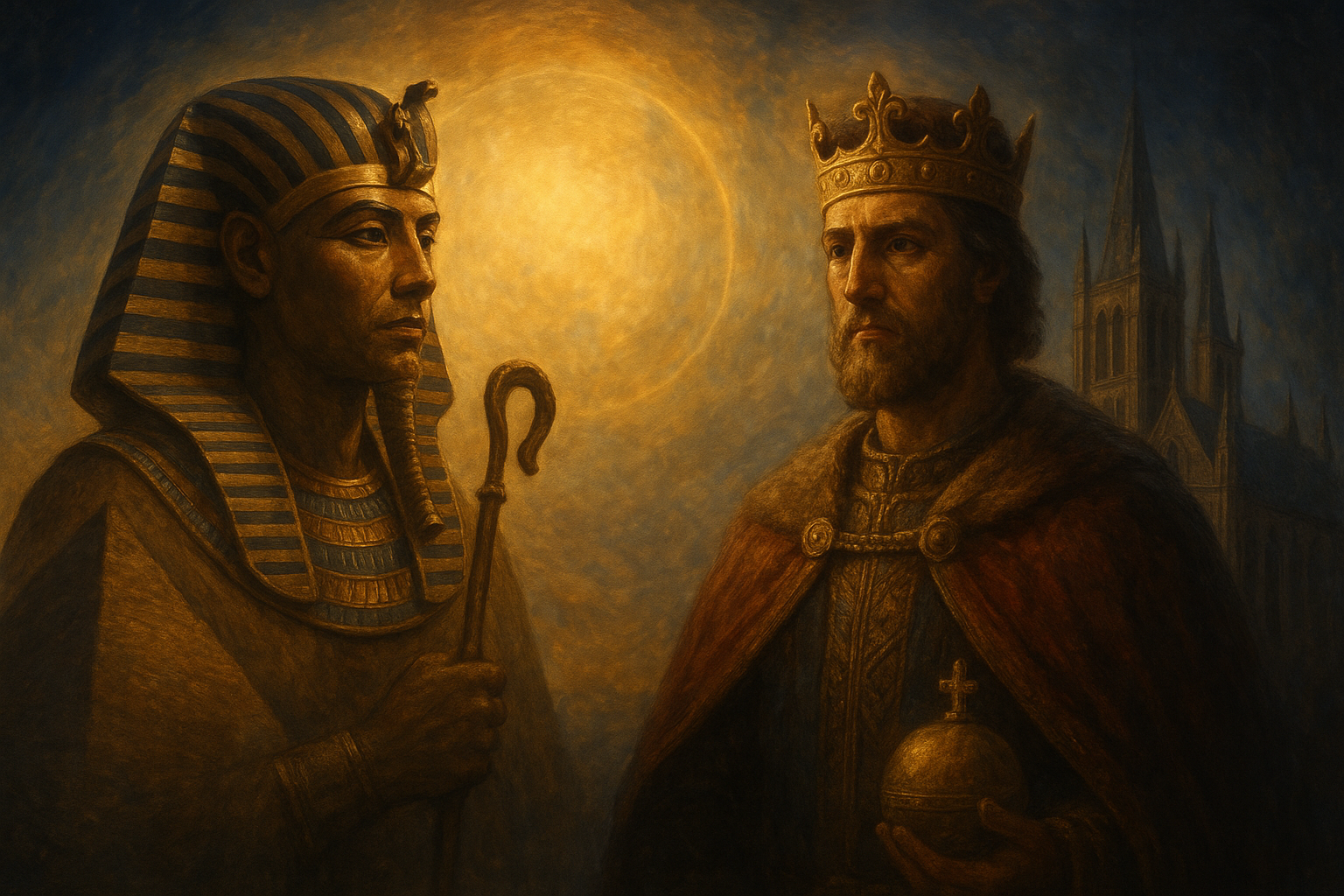
The relationship between faith and politics is as old as civilization itself. In ancient societies, religious leaders often held significant power, blending spiritual guidance with political authority. For instance, consider the Pharaohs of Egypt, who were seen as gods themselves, or the divine right of kings in medieval Europe, where monarchs claimed their rule was sanctioned by a higher power.

In more recent history, the role of religion in politics has evolved but remains pivotal. The formation of the United States, for example, was influenced by the desire for religious freedom, yet the founding fathers also emphasized the separation of church and state. This duality reflects the ongoing tension and balance between religious influence and political governance.
Faith as a Moral Compass in Politics
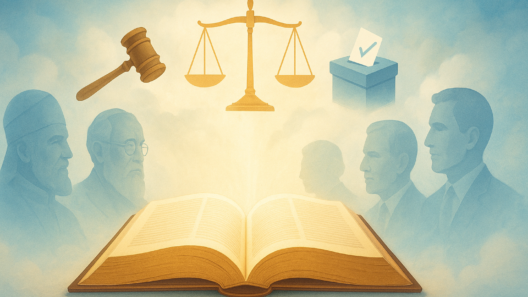
For many individuals, faith serves as a moral compass, guiding their beliefs and actions. This extends to political decisions, where one’s religious values can influence their stance on key issues such as abortion, marriage equality, and social justice. Politicians often appeal to religious values to connect with voters, emphasizing shared beliefs and moral principles.
However, the use of faith as a guiding force in politics can be a double-edged sword. While it can unite people under a common moral framework, it can also lead to division, especially when different faiths or interpretations clash. The challenge lies in finding common ground and respecting diverse perspectives while staying true to one’s beliefs.
The Role of Religion in Modern Political Campaigns
In contemporary politics, religion often plays a strategic role in campaigns. Politicians may highlight their religious affiliations or values to appeal to specific voter demographics. This is particularly evident in countries where religion is a significant aspect of cultural identity, such as the United States, where evangelical Christians form a substantial voting bloc.
Religious endorsements can also impact political campaigns. A nod from a prominent religious leader can sway voters and lend credibility to a candidate. However, this intertwining of faith and politics raises questions about the separation of church and state and whether religious influence undermines secular governance.
The Global Perspective: Faith and Politics Worldwide
The interaction between faith and politics is not limited to one country or culture; it’s a global phenomenon. In countries like Iran, where the Islamic faith is deeply embedded in the political system, religious leaders wield significant influence, shaping policies and governance.
In contrast, countries like France uphold secularism, striving to keep religion separate from political affairs. This diversity in approaches highlights the spectrum of possibilities when it comes to integrating—or separating—faith and politics.
Despite these differences, one commonality persists: faith often serves as a source of hope and resilience for people worldwide, especially in times of political turmoil and uncertainty.
Challenges and Opportunities at the Intersection
The intersection of faith and politics is fraught with challenges. Balancing religious beliefs with political decisions can lead to conflicts and ethical dilemmas. Moreover, the rise of religious extremism poses a significant threat, as it can distort the peaceful teachings of faith to justify violence and discrimination.
Yet, there are also opportunities for positive change. Faith-based organizations often play a crucial role in humanitarian efforts, advocating for peace, social justice, and environmental stewardship. By fostering dialogue and understanding, faith communities can bridge divides and promote unity in a polarized world.
Conclusion: Navigating Faith and Politics in Today’s World
As we navigate the complex intersection of faith and politics, it’s essential to approach the topic with an open mind and a willingness to listen. By recognizing the historical context, moral influence, and global perspectives, we can better understand the role of faith in shaping political landscapes.
Ultimately, the goal is to find a balance that respects diverse beliefs while promoting justice, equality, and peace. Whether as individuals or communities, we have the power to engage in meaningful conversations and contribute to a more inclusive and harmonious world. 🌍🤝
Thank you for joining me on this exploration of faith and politics. I hope this discussion inspires you to reflect on your own beliefs and the impact they have on the world around you.
Join the Community
Want more than the headlines? Join Rock Nation on Substack for honest takes, deeper conversations, and independent content without the noise.