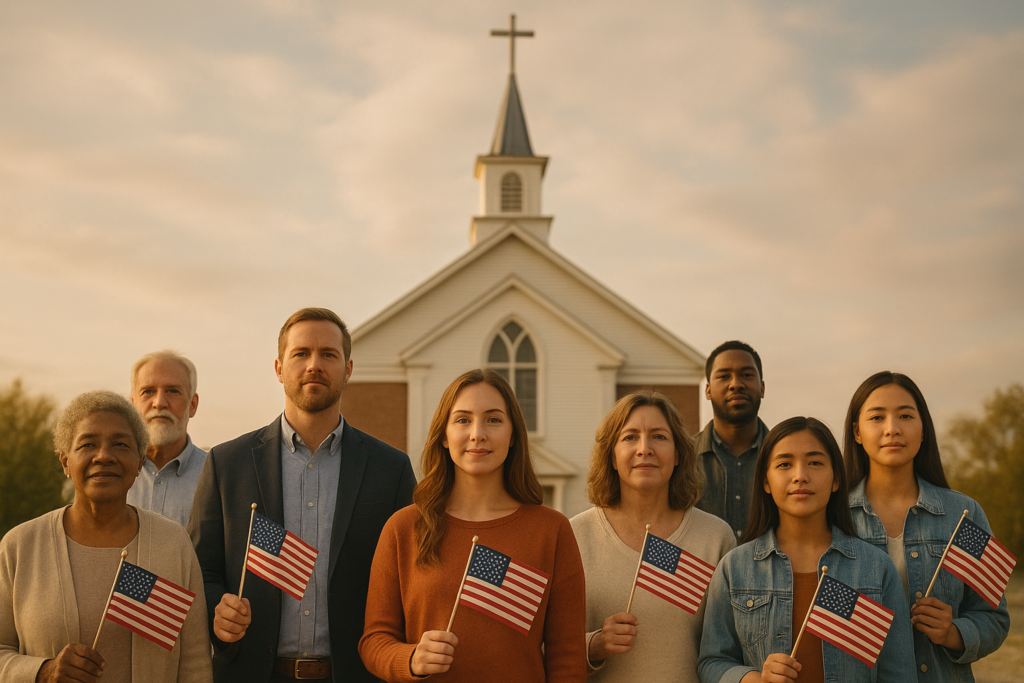
Christian conservatism has emerged as a powerful force in contemporary American society, influencing politics, culture, and public discourse. This movement, rooted in a blend of religious belief and traditional conservative values, has gained significant traction in recent decades. In this blog post, we’ll explore the origins of Christian conservatism, its impact on modern America, and the factors contributing to its rise.
The Historical Roots of Christian Conservatism
To understand the rise of Christian conservatism, it’s essential to examine its historical roots. The movement can trace its origins to the early 20th century, with the rise of fundamentalism as a response to modernist theological interpretations. This period saw many Christians seeking to preserve traditional biblical interpretations and moral values in the face of rapid societal change.
However, it was the latter half of the 20th century that marked a significant turning point. The 1970s and 1980s witnessed the emergence of the Religious Right, a coalition of conservative Christian groups that sought to influence American politics. Leaders like Jerry Falwell and organizations such as the Moral Majority played crucial roles in mobilizing evangelical Christians to become politically active.
The Political Influence of Christian Conservatism
Christian conservatism’s influence on American politics cannot be overstated. The movement has become a cornerstone of the Republican Party, shaping its platform and policy priorities. Key issues championed by Christian conservatives include opposition to abortion, support for traditional family structures, and the promotion of religious freedom.
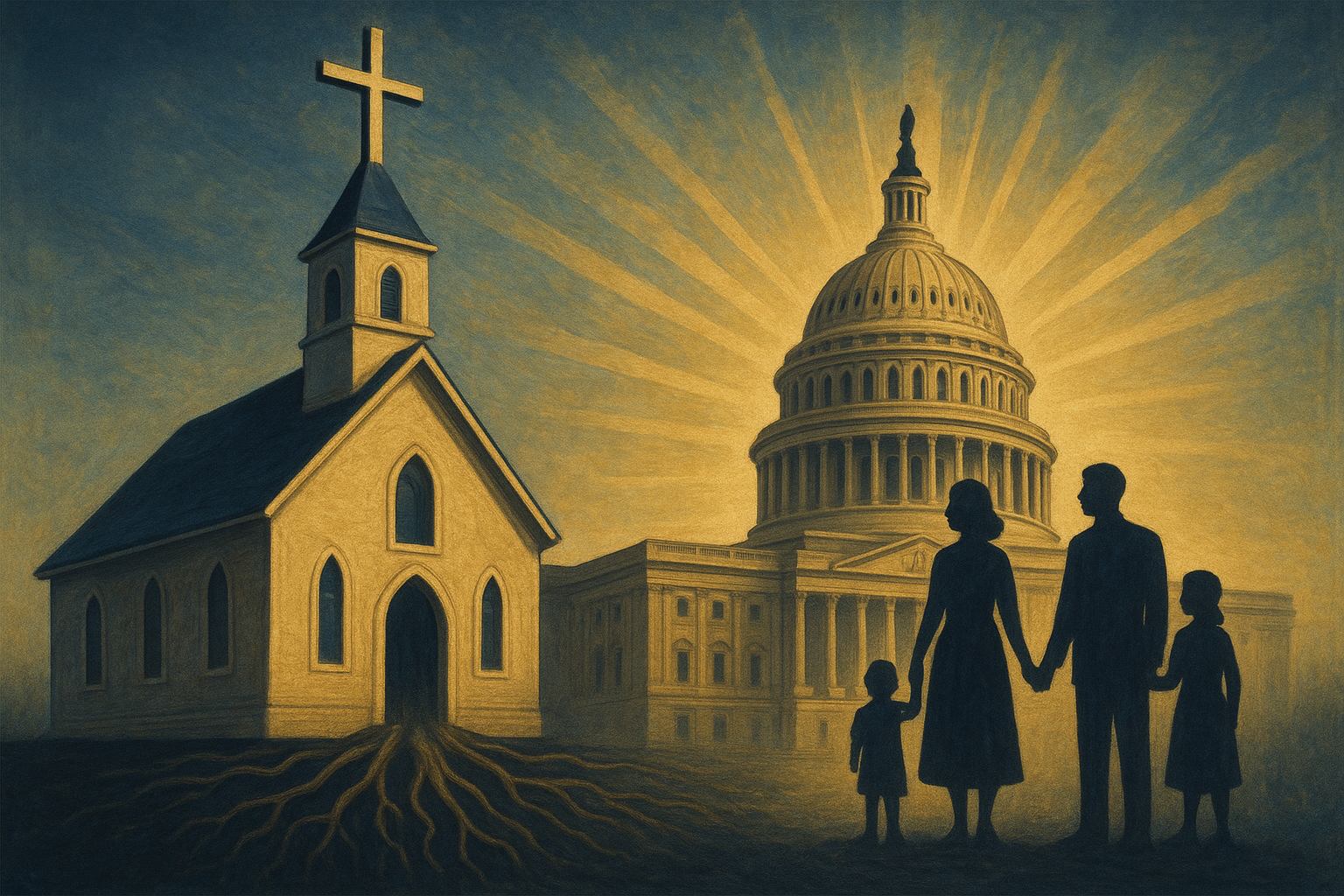
One of the most notable impacts of Christian conservatism is its effect on elections. The movement has been instrumental in galvanizing a significant voter base, particularly in the American South and rural areas. This has helped elect numerous conservative politicians at both the state and federal levels.
Cultural Impact and Public Perception
Beyond politics, Christian conservatism has also left its mark on American culture. The movement has been a vocal advocate for maintaining traditional moral values in entertainment, education, and public life. This has often sparked debates and controversies, particularly around issues such as the inclusion of religious elements in public schools and the portrayal of family values in media.
Public perception of Christian conservatism is varied. Supporters view it as a necessary defense of moral and religious principles, while critics argue that it can impede social progress and inclusivity. These differing perspectives contribute to the ongoing dialogue about the role of religion in public life.
Factors Contributing to the Rise of Christian Conservatism
Several factors have contributed to the rise of Christian conservatism in modern America. Demographic changes, cultural shifts, and technological advancements have all played a role in shaping the movement’s trajectory.
Firstly, the increasing polarization of American politics has created an environment where identity-based movements, including religious ones, have found greater resonance. Christian conservatism offers a sense of community and shared values for many individuals seeking stability in a rapidly changing world.
Additionally, the rise of digital media has provided a platform for Christian conservative voices, allowing them to reach larger audiences and mobilize supporters more effectively. Social media, podcasts, and online forums have become vital tools for spreading the movement’s message.
Challenges and Future Prospects
Despite its successes, Christian conservatism faces several challenges. The movement must navigate an increasingly diverse and secular society, where younger generations often hold different values from those of their predecessors. This demographic shift presents a potential obstacle to sustaining long-term influence.
Moreover, internal divisions within the movement, particularly around issues such as immigration and economic policy, could impact its cohesion and effectiveness. Balancing traditional values with a rapidly evolving society remains a delicate task for Christian conservatives.
Conclusion
The rise of Christian conservatism in modern America is a testament to the enduring power of faith and tradition in shaping societal norms and political landscapes. While the movement has achieved significant influence, it continues to face challenges that will shape its future trajectory. As America evolves, so too will the role of Christian conservatism, adapting to new realities while striving to uphold its foundational principles. Understanding this dynamic movement is crucial for comprehending the broader cultural and political currents in the United States today.
Join the Community
Want more than the headlines? Join The Mikerock Show on Substack for honest takes, deeper conversations, and independent content without the noise.