
The Rise of Christian Conservatism in Modern America
In recent decades, the landscape of American politics has been profoundly influenced by the resurgence of Christian conservatism. This movement, rooted in religious values and traditional beliefs, has significantly shaped the political discourse and policy-making process in the United States. But what accounts for this rise, and what implications does it carry for the future of American society? Let’s explore the key elements contributing to the prominence of Christian conservatism in today’s America.
Understanding Christian Conservatism
Christian conservatism is a political and social movement that emphasizes the application of Christian values and beliefs in public life. It advocates for policies that align with traditional Christian teachings, particularly around issues such as abortion, marriage, and education. This movement is often associated with a desire to preserve what is perceived as the moral fabric of society, grounded in biblical principles.
The Historical Context
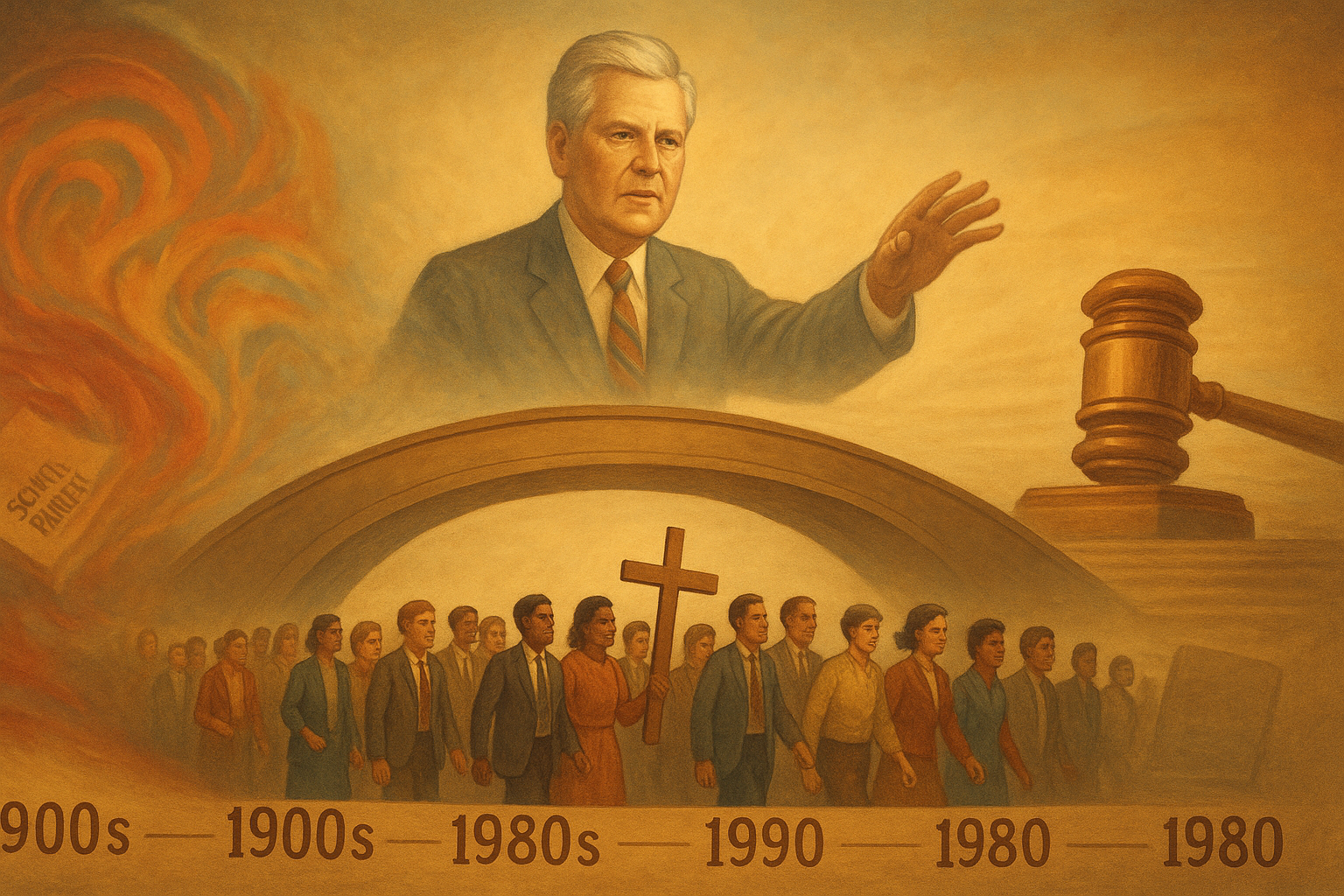
The roots of Christian conservatism can be traced back to the early 20th century, but it gained significant momentum in the 1970s and 1980s. During this period, figures like Jerry Falwell and the formation of the Moral Majority played pivotal roles in mobilizing evangelical Christians into the political realm. This was a response to what many perceived as a moral decline in American society, marked by the sexual revolution, the legalization of abortion, and the removal of prayer from public schools.
Key Drivers of the Movement
The rise of Christian conservatism can be attributed to several factors:
1. Cultural Shifts
The cultural shifts of the late 20th century, including the feminist and LGBTQ movements, sparked a counter-movement among conservative Christians who felt that these changes threatened traditional family values. This led to increased political activism aimed at preserving conservative ideals.
2. Political Mobilization
Christian conservatives have become a formidable voting bloc, often referred to as the “Religious Right.” Through strategic political mobilization, they have influenced party platforms, particularly within the Republican Party, thus playing a crucial role in elections at all levels of government.
3. Media Influence
The proliferation of Christian media, including television networks, radio stations, and online platforms, has provided a powerful means for spreading conservative Christian messages and mobilizing supporters across the nation.
The Impact on American Politics
The influence of Christian conservatism is evident in various aspects of American politics:
1. Legislation and Policy
Christian conservatives have successfully pushed for legislation that aligns with their values, such as restrictions on abortion and measures that promote religious freedom. These policies often reflect a broader agenda to integrate Christian principles into the legal framework of the country.
2. Judicial Appointments
The appointment of conservative judges, particularly to the Supreme Court, has been a priority for Christian conservatives. These appointments are seen as a long-term strategy to uphold conservative interpretations of the Constitution, which often align with Christian values.
3. Social and Cultural Debates
Christian conservatism continues to play a significant role in shaping social and cultural debates in America. Issues such as same-sex marriage, religious liberties, and education policies remain at the forefront of the movement’s agenda.
Challenges and Criticisms
Despite its influence, Christian conservatism faces several challenges:
1. Demographic Changes
The demographic landscape of the United States is changing, with younger generations often holding more progressive views on social issues. This presents a challenge for the sustainability of Christian conservatism’s influence in the long term.
2. Internal Divisions
There are varying interpretations of Christian values within the movement, leading to divisions over how best to achieve its goals. These internal conflicts can weaken the movement’s overall coherence and effectiveness.
Conclusion: The Future of Christian Conservatism
The rise of Christian conservatism in modern America is a testament to the enduring influence of religion in shaping political landscapes. While the movement has made significant strides in advancing its agenda, it must navigate a complex and evolving cultural and political environment. As America continues to grapple with issues of identity, morality, and governance, the role of Christian conservatism will undoubtedly remain a pivotal and contentious element in the national dialogue.
In reflecting on this dynamic, it is essential to recognize both the contributions and challenges of Christian conservatism, understanding that its future will depend on its ability to adapt and resonate with a diverse and changing populace.
Join the Community
Want more than the headlines? Join Rock Nation on Substack for honest takes, deeper conversations, and independent content without the noise.