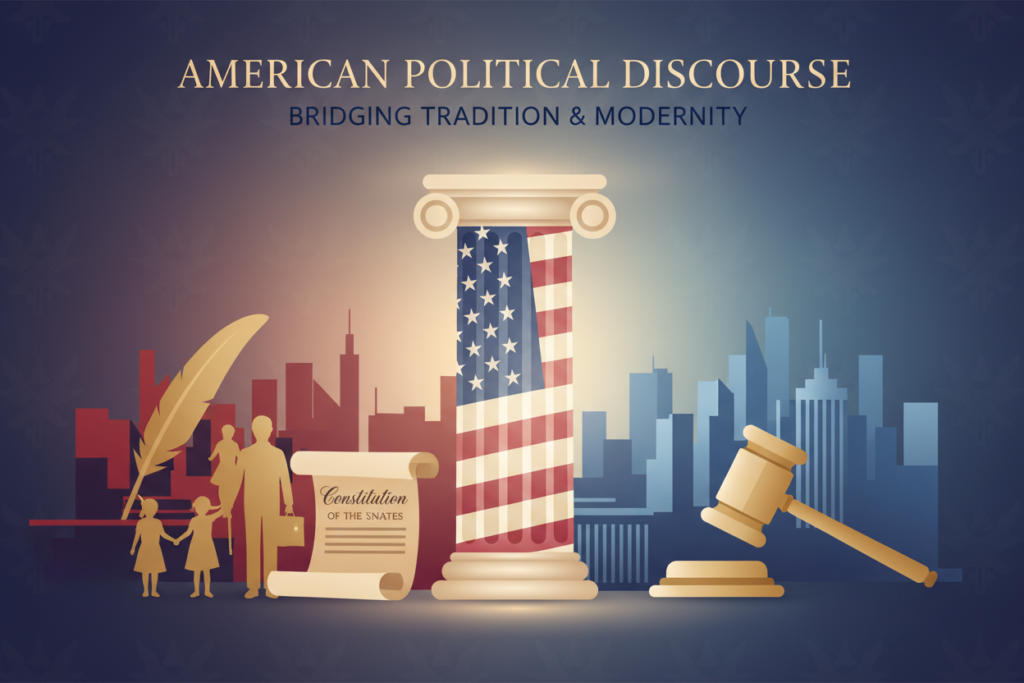
In today’s rapidly evolving political landscape, the influence of traditional values continues to shape American political discourse in profound ways. As we navigate an era marked by technological advancement, social change, and cultural shifts, understanding how conservative principles impact modern politics has never been more crucial. This analysis explores the multifaceted relationship between time-honored American values and contemporary political movements, examining both their enduring influence and evolving interpretations.
The intersection of traditional values and modern politics creates a complex web of policy decisions, voter behavior, and cultural debates that define much of our national conversation. From family structure and religious freedom to economic principles and constitutional interpretation, these foundational beliefs continue to serve as both anchoring points and sources of tension in American society.

Defining Traditional Values in the American Context
Traditional values in American politics typically encompass a set of principles rooted in the nation’s founding documents, Judeo-Christian heritage, and historical precedents. These values often include respect for individual liberty, personal responsibility, limited government, free enterprise, strong national defense, and the importance of family as society’s fundamental unit.
What makes this topic particularly fascinating is how these values have been interpreted and reinterpreted across generations. The concept of individual liberty, for instance, meant something quite different to the founding fathers than it does to modern conservatives grappling with digital privacy rights or pandemic-era government restrictions. Yet the core principle remains a driving force in political decision-making.
Religious freedom stands as another cornerstone of traditional American values, though its application in modern politics has become increasingly complex. Today’s conservative politicians and voters must navigate questions about religious expression in public spaces, faith-based exemptions from certain laws, and the balance between religious liberty and anti-discrimination policies.
The Role of Family Values in Contemporary Policy Making
Perhaps no aspect of traditional values has more direct impact on modern American politics than the emphasis on family structure and parental rights. Conservative lawmakers consistently champion policies that support traditional family units, from tax incentives for married couples to educational choice initiatives that empower parents in their children’s schooling.
The recent surge in school board elections and parental involvement in educational curricula represents a modern manifestation of these traditional values. Parents across the country have mobilized around issues ranging from curriculum content to student privacy policies, demonstrating how family-centered values translate into grassroots political action.
Marriage and family policy continues to evolve within the conservative framework, adapting to changing social realities while maintaining core principles. This includes support for adoption services, child tax credits, and policies that recognize the economic challenges facing modern families trying to live on single incomes.
Economic Conservatism: Free Market Principles in Modern America
Traditional American values have long celebrated entrepreneurship, self-reliance, and free market capitalism. These principles remain central to conservative economic policy, though their application has become more nuanced in response to globalization, technological disruption, and changing labor markets.
Modern conservative economic policy reflects traditional values through support for small businesses, opposition to excessive regulation, and advocacy for lower taxes. However, contemporary conservatives also grapple with new challenges such as big tech monopolies, supply chain dependencies on foreign nations, and the gig economy’s impact on traditional employment relationships.
The concept of economic nationalism has emerged as a bridge between traditional free market principles and modern concerns about American competitiveness. This approach maintains faith in market mechanisms while acknowledging the need for strategic government intervention to protect national interests and preserve American manufacturing capacity.
Constitutional Originalism and Judicial Philosophy
One of the most significant ways traditional values impact modern politics is through constitutional interpretation. The originalist approach to constitutional law, championed by many conservatives, seeks to understand the Constitution’s text according to its original public meaning at the time of ratification.
This judicial philosophy has profound implications for contemporary legal and political issues. From Second Amendment rights to federalism questions, originalist interpretation provides a framework for addressing modern challenges through the lens of foundational American principles.
Recent Supreme Court decisions on issues ranging from religious liberty to gun rights demonstrate how traditional constitutional interpretation continues to shape American law and policy. These decisions often reflect a commitment to limiting judicial activism and returning power to elected representatives and state governments.
National Security and Traditional Values
The relationship between traditional values and national security policy reveals another dimension of conservative influence on modern politics. Traditional American values emphasize strong national defense, respect for military service, and skepticism of foreign entanglements that don’t serve clear national interests.
Contemporary conservative foreign policy balances these traditional principles with modern realities such as global terrorism, cyber warfare, and economic interdependence. This has led to debates within conservative circles about military intervention, defense spending priorities, and America’s role in international organizations.
Border security represents a particularly clear example of how traditional values influence modern policy. Conservative emphasis on national sovereignty, rule of law, and controlled immigration reflects longstanding American principles while addressing contemporary challenges related to illegal immigration, drug trafficking, and national security threats.
Cultural Preservation and Social Change
Traditional values also manifest in conservative approaches to cultural and social issues. This includes efforts to preserve American historical narratives, support for civic education that emphasizes patriotism and national unity, and resistance to rapid social changes that seem to undermine established institutions.
The ongoing debates about American history education, public monuments, and cultural symbols reflect deeper tensions between traditional values and progressive social movements. Conservative politicians and activists argue for approaches that acknowledge America’s imperfections while maintaining respect for the nation’s founding principles and historical achievements.
Religious liberty issues continue to emerge as flashpoints where traditional values intersect with modern social changes. From wedding vendor cases to healthcare mandate exemptions, these disputes highlight the ongoing relevance of traditional values in shaping policy responses to evolving social norms.
The Future of Traditional Values in American Politics
Looking ahead, the influence of traditional values on American politics will likely continue to evolve rather than diminish. Younger conservatives are finding new ways to apply timeless principles to contemporary challenges, from environmental stewardship rooted in conservation ethics to technology policies that protect individual privacy and family autonomy.
The key challenge for conservative political movements lies in articulating how traditional values provide relevant solutions to modern problems. This requires both faithful adherence to core principles and creative application to new circumstances that the founders could never have anticipated.
Demographic changes, technological advancement, and global interconnectedness will continue to test the adaptability of traditional values in American politics. However, the enduring appeal of principles like individual liberty, personal responsibility, and limited government suggests that these values will remain influential forces in shaping American political discourse.
Conclusion
The impact of traditional values on modern American politics extends far beyond simple nostalgia for an idealized past. These values provide a framework for understanding contemporary challenges and developing policy solutions that reflect enduring American principles. From family policy to constitutional interpretation, from economic philosophy to national security strategy, traditional values continue to shape political debate and policy outcomes.
As America faces new challenges in the 21st century, the ongoing relevance of traditional values demonstrates their adaptability and enduring appeal. Rather than being static relics of the past, these principles serve as dynamic guides for navigating complex modern realities while maintaining connection to the foundational ideas that have defined American democracy.
Understanding this relationship between traditional values and contemporary politics is essential for anyone seeking to comprehend the deeper currents that drive American political behavior. Whether one agrees or disagrees with conservative policy positions, recognizing the principled foundation underlying these positions provides valuable insight into the motivations and priorities that continue to influence American political life.