Political News Breakdown: Understanding Conservative vs. Liberal Media Coverage
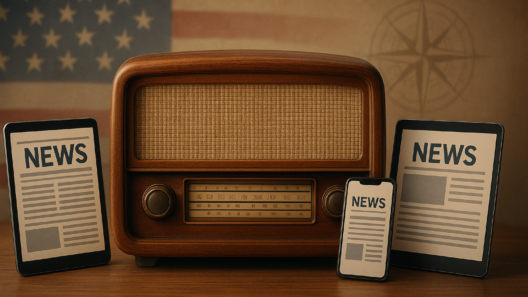
In today’s hyper-connected world, the way we consume political news shapes our understanding of current events more than ever before. With countless media outlets competing for our attention, it’s become increasingly important to recognize how different news sources present the same stories through distinctly different lenses. Whether you’re scrolling through your social media feed or watching the evening news, you’re likely encountering information filtered through either conservative or liberal perspectives—often without even realizing it.
Understanding media bias isn’t about choosing sides or dismissing certain viewpoints entirely. Instead, it’s about developing the critical thinking skills necessary to navigate our complex media landscape and form well-informed opinions. When we can identify the subtle (and not-so-subtle) ways that conservative and liberal outlets frame political stories, we become more discerning consumers of information and better-equipped citizens in our democracy.
The Foundation of Media Bias in Political Reporting
Media bias in political coverage isn’t a new phenomenon, but it has become more pronounced and easier to identify in recent decades. Every news organization operates with certain assumptions, values, and perspectives that inevitably influence how they select, frame, and present stories. This isn’t necessarily malicious or intentional—it’s often a natural result of the journalists, editors, and executives who work at these organizations sharing similar worldviews and experiences.
Conservative media outlets typically emphasize traditional values, limited government intervention, free-market economics, and strong national defense. Liberal media sources, on the other hand, often prioritize social justice, government programs to address inequality, environmental protection, and civil rights. These fundamental philosophical differences create distinct approaches to covering the same political events.
What makes modern media bias particularly challenging is that many outlets present themselves as objective, even when their coverage clearly leans in one direction. This can make it difficult for readers and viewers to recognize when they’re receiving a politically slanted interpretation of events rather than straight news reporting.
How Conservative Media Frames Political Stories
Conservative news outlets tend to approach political coverage through several consistent frameworks that reflect their underlying values and assumptions. Understanding these patterns can help you identify conservative bias when you encounter it.
One of the most noticeable characteristics of conservative political coverage is its emphasis on individual responsibility and personal accountability. When covering social issues like poverty, crime, or educational challenges, conservative outlets often focus on personal choices and individual failures rather than systemic problems. For example, a story about unemployment might emphasize the need for job seekers to develop better skills or work harder, rather than examining broader economic trends or policy failures.
Conservative media also tends to be more supportive of law enforcement and military institutions. Coverage of police-involved incidents often includes extensive background information about suspects’ criminal histories and emphasizes the dangers that officers face. Stories about military conflicts typically frame American involvement in positive terms, focusing on protecting national interests and supporting troops rather than questioning the wisdom of military interventions.
Economic coverage in conservative outlets frequently celebrates free-market solutions and expresses skepticism about government regulation. Business success stories receive prominent coverage, while stories about corporate misconduct may receive less attention or be framed as isolated incidents rather than evidence of systemic problems. Tax cuts and deregulation are typically presented as unqualified goods that will benefit everyone.
How Liberal Media Approaches Political Coverage
Liberal news sources approach political stories with their own set of assumptions and priorities, creating coverage that can look dramatically different from conservative outlets even when reporting on identical events.
Liberal media tends to emphasize systemic and structural explanations for social problems. Rather than focusing primarily on individual choices, liberal outlets often examine how policies, institutions, and historical factors contribute to issues like inequality, discrimination, and social unrest. A story about educational achievement gaps, for instance, might focus on funding disparities, residential segregation, or the long-term effects of discriminatory policies rather than simply calling for students and parents to try harder.
Coverage of law enforcement and criminal justice issues in liberal outlets often emphasizes reform and accountability. Stories about police misconduct typically include broader context about patterns of abuse and the need for systemic changes. Liberal media sources are more likely to question military interventions and examine the costs of defense spending, both in terms of financial resources and human lives.
Environmental issues receive significantly more attention in liberal outlets, with climate change treated as an urgent crisis requiring immediate government action. Corporate behavior is often viewed with skepticism, and stories about business practices frequently examine their impact on workers, consumers, and the environment rather than simply celebrating economic growth.
Language and Framing Techniques
The subtle art of political framing often lies in the specific words and phrases that news outlets choose to describe the same events. These linguistic choices can significantly influence how readers perceive and understand political developments.
Conservative outlets might describe a tax increase as a “tax hike” or “tax burden,” while liberal sources might call it “revenue generation” or “asking the wealthy to pay their fair share.” Similarly, conservative media might refer to undocumented immigrants as “illegal aliens,” while liberal outlets prefer terms like “undocumented workers” or “asylum seekers.” These aren’t just semantic differences—they carry emotional weight and shape how audiences think about complex issues.
The selection of sources and experts also reveals bias. Conservative outlets tend to quote business leaders, law enforcement officials, and conservative think tank researchers, while liberal sources more frequently cite academics, advocacy group representatives, and progressive policy experts. Both approaches can provide valuable perspectives, but they often lead to dramatically different conclusions about the same issues.
Even the choice of which stories to cover prominently reveals editorial priorities. During the same news cycle, a conservative outlet might lead with a story about economic growth while a liberal outlet focuses on income inequality. Both stories might be factually accurate, but they create very different impressions about the state of the economy.
The Impact of Social Media on Political News Consumption
Social media platforms have fundamentally changed how we encounter political news, often amplifying the effects of media bias through algorithmic filtering and social sharing patterns. Most people now get at least some of their political news through social media feeds that are customized based on their past behavior and preferences.
This creates what researchers call “filter bubbles” or “echo chambers,” where people primarily see news stories and perspectives that align with their existing beliefs. Conservative users might see primarily conservative news sources in their feeds, while liberal users encounter mostly liberal outlets. This algorithmic sorting can make media bias seem more extreme than it actually is, since people aren’t regularly exposed to alternative perspectives.
The rise of social media has also enabled the spread of highly partisan news sources that might not have found audiences in traditional media markets. Websites and social media accounts that take extremely conservative or liberal positions can now reach millions of people directly, often without the editorial oversight that traditional news organizations provide.
Strategies for Consuming Political News More Effectively
Recognizing media bias is only the first step toward becoming a more informed news consumer. The goal isn’t to find perfectly objective sources—they probably don’t exist—but rather to develop strategies for getting a more complete picture of political events.
One effective approach is to deliberately seek out news sources from across the political spectrum. If you typically read conservative outlets, make an effort to occasionally check liberal sources, and vice versa. This doesn’t mean you have to agree with everything you read, but exposure to different perspectives can help you identify your own biases and understand how the same events can be interpreted in multiple ways.
Pay attention to the difference between news reporting and opinion content. Many outlets clearly label their opinion pieces, but the line between news and analysis has become increasingly blurred. Learning to distinguish between factual reporting and interpretive commentary can help you separate what happened from what various people think about what happened.
Consider the source’s track record and methodology. Reputable news organizations, regardless of their political leanings, typically have editorial standards, fact-checking procedures, and correction policies. They cite their sources and provide context for their reporting. Be skeptical of sources that consistently make claims without providing evidence or that refuse to issue corrections when they make mistakes.
Finding Balance in an Unbalanced Media Landscape
The reality is that perfectly neutral news coverage is probably impossible. Every journalist brings their own experiences, assumptions, and perspectives to their work, and every news organization makes editorial choices about what stories to cover and how to present them. Rather than searching for mythical objectivity, we can strive for a more complete understanding by consuming diverse sources and thinking critically about what we read.
This doesn’t mean that all news sources are equally reliable or that all perspectives are equally valid. Some outlets have better track records for accuracy than others, and some claims are better supported by evidence than others. The key is developing the skills to evaluate sources and claims on their own merits rather than simply accepting or rejecting them based on whether they align with our existing beliefs.
Understanding conservative and liberal media coverage isn’t about becoming cynical about news or dismissing journalism entirely. Instead, it’s about becoming a more sophisticated consumer of information who can recognize bias, seek out multiple perspectives, and form more nuanced opinions about complex political issues. In our democracy, an informed citizenry is essential, and that requires citizens who can navigate our complex media landscape with wisdom and discernment.
The next time you encounter a political news story, take a moment to consider the source, the language being used, and the perspective being presented. Ask yourself what other angles might exist and whether you’re getting the full picture. This kind of critical thinking takes practice, but it’s one of the most valuable skills you can develop as a citizen in our information-rich but often confusing political environment.