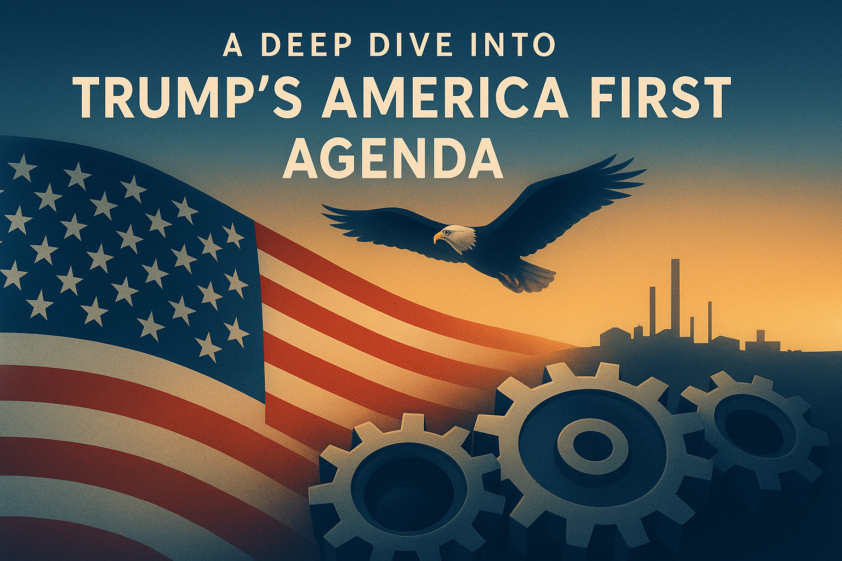
A Deep Dive into Trump’s America First Agenda
The phrase “America First” became a cornerstone of Donald Trump’s political campaign, resonating with many who longed for an era of renewed national pride and economic prosperity. This slogan encapsulated a wide array of policies and ideas aimed at prioritizing the United States’ interests on the global stage. But what does “America First” truly mean, and how has it influenced both domestic and international arenas? Let’s take a deep dive into Trump’s America First Agenda. 🇺🇸
Understanding the Core Tenets of America First
The “America First” agenda is built on several key principles that guided Trump’s policies during his presidency. At its heart, the agenda focused on economic nationalism, prioritizing American workers, securing borders, and renegotiating trade deals. The aim was to ensure that the United States would lead from a position of strength, both economically and militarily.
Economic Nationalism: Bringing Jobs Back Home
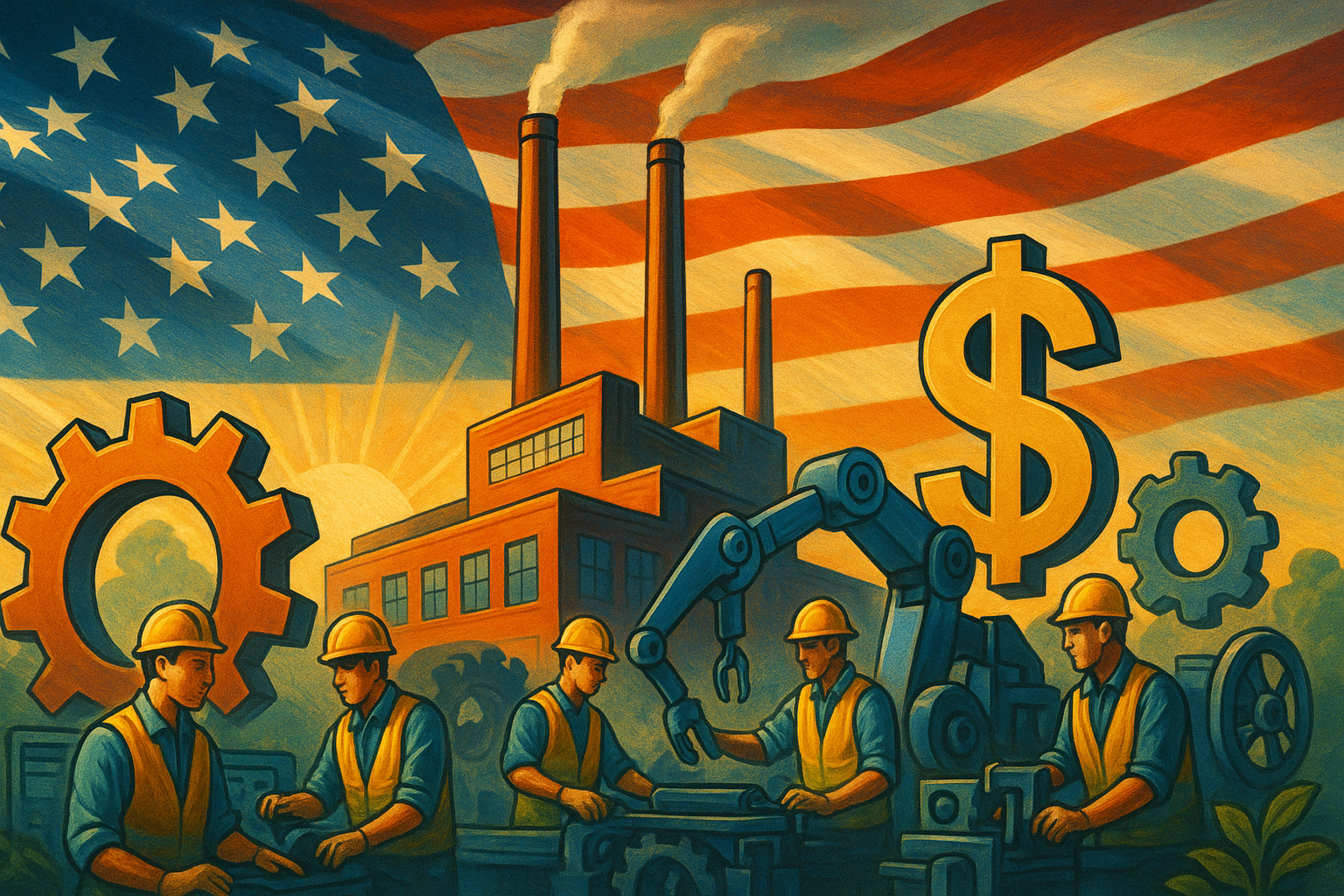
One of the primary goals of Trump’s America First agenda was to stimulate the U.S. economy by bringing jobs back from overseas. This was achieved through a combination of tax cuts, deregulation, and renegotiating trade agreements. The administration implemented policies to incentivize companies to produce domestically, thereby creating jobs and boosting local economies. The Tax Cuts and Jobs Act of 2017, for instance, significantly reduced corporate tax rates, aiming to spur growth and investment within the country.
Trade Deals Reimagined: Fair Trade over Free Trade
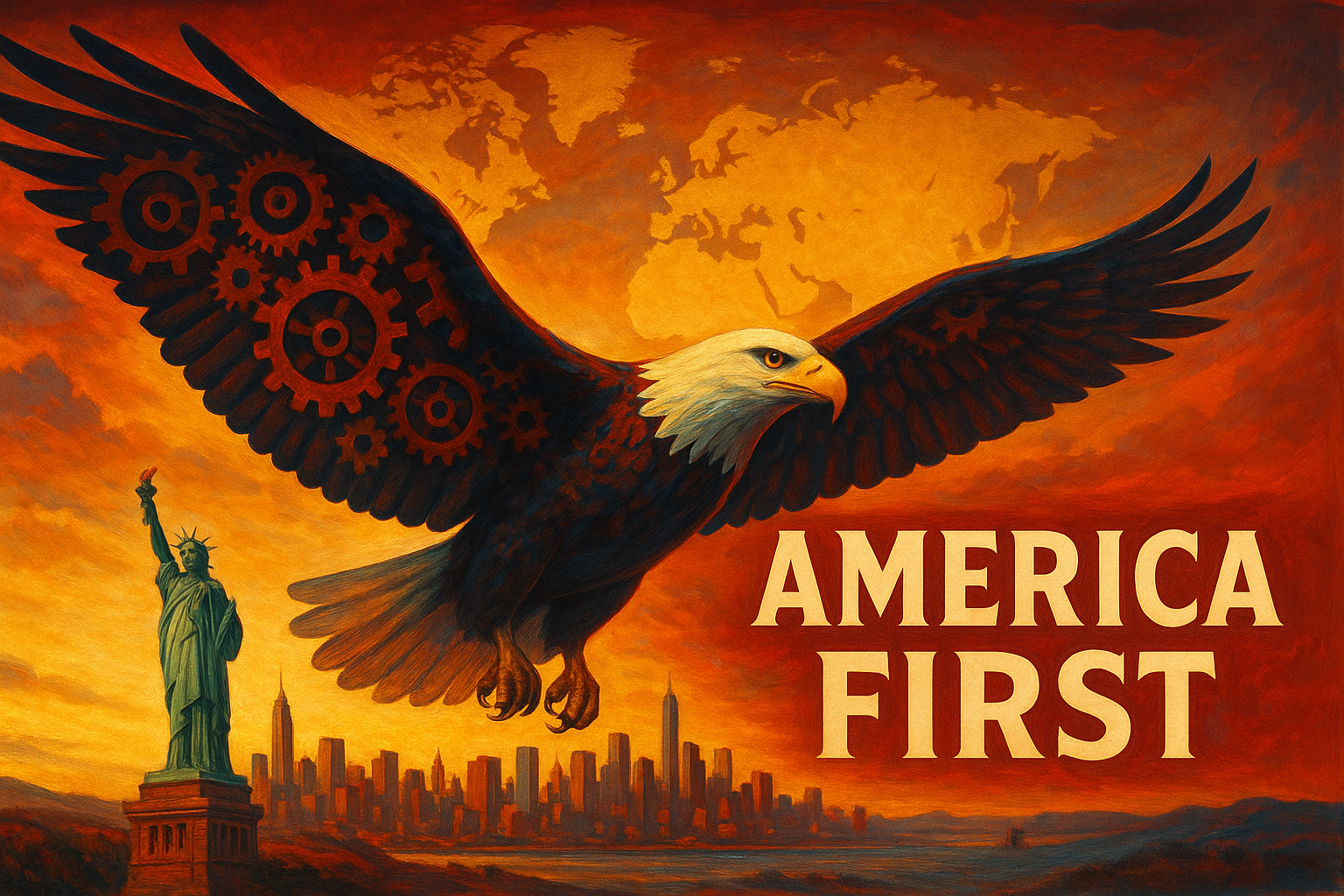
Another significant aspect of the America First agenda was reshaping the United States’ approach to international trade. Trump argued that previous trade agreements were detrimental to American interests, leading to job losses and trade deficits. As a result, his administration renegotiated key trade deals, such as the North American Free Trade Agreement (NAFTA), which was replaced by the United States-Mexico-Canada Agreement (USMCA). This new deal was designed to be more beneficial to American workers and industries, ensuring fairer competition and protecting intellectual property rights.
Immigration Policies: Securing the Borders
Immigration was another central theme of the America First agenda. Trump’s policies aimed at tightening border security and reducing illegal immigration. The construction of a wall along the U.S.-Mexico border became the most visible symbol of this commitment. Additionally, the administration implemented stricter immigration enforcement and worked to limit immigration from certain countries, arguing that these measures were necessary to protect national security and the American workforce.
Military Strength: Peace through Power
Under the America First agenda, Trump also emphasized the importance of a robust military. The administration increased defense spending, arguing that a strong military is essential to deter aggression and maintain peace. By investing in advanced weaponry and modernizing the armed forces, the agenda aimed to ensure that the U.S. military remained the most powerful in the world.
Foreign Policy: Prioritizing American Interests
In the realm of foreign policy, the America First agenda sought to redefine the U.S.’s role on the global stage. Trump advocated for reducing American involvement in international conflicts, focusing instead on bilateral agreements that directly benefited the United States. This approach was evident in decisions such as withdrawing from the Paris Climate Agreement and the Iran Nuclear Deal, which the administration argued were unfavorable to American interests.
Challenges and Criticisms
While the America First agenda garnered significant support, it also faced substantial criticism. Detractors argued that the approach was isolationist, potentially damaging international alliances and cooperation. Critics also pointed to the trade wars sparked by tariffs as detrimental to certain sectors of the U.S. economy. Additionally, the immigration policies were often viewed as harsh and inhumane, sparking widespread debate and protest.
The Legacy of America First
The impact of Trump’s America First agenda is still a matter of debate. Supporters highlight the economic growth, job creation, and strengthened military as notable achievements. Opponents, however, caution that the long-term effects on international relationships and global trade could be detrimental. As the United States continues to navigate its role in an interconnected world, the principles of the America First agenda remain a significant part of political discourse.
Conclusion: A New Era of American Politics
The America First agenda marked a significant shift in U.S. policy, challenging long-held norms and reshaping the nation’s approach to both domestic and international issues. While the debate over its efficacy and legacy continues, it undeniably sparked a renewed focus on American interests and priorities. As we move forward, understanding the intricacies of this agenda and its impact will be crucial for navigating the future of American politics. 🌍
Join the Community
Want more than the headlines? Join Rock Nation on Substack for honest takes, deeper conversations, and independent content without the noise.