America First Movement: From Charles Lindbergh to Modern Political Campaigns
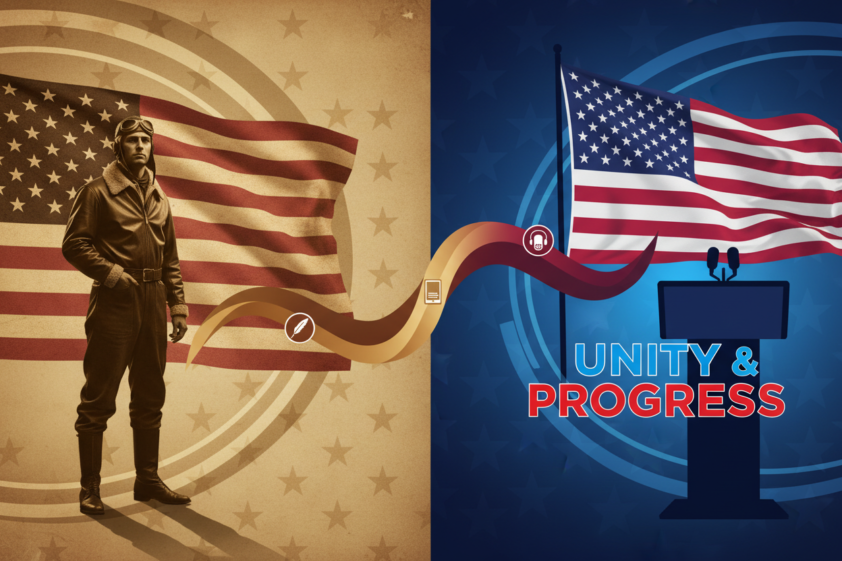
The phrase “America First” has echoed through the corridors of American political history for nearly a century, carrying with it a complex legacy that continues to shape contemporary political discourse. From its origins in the isolationist movement of the 1930s to its modern resurrection in 21st-century campaigns, this slogan has represented both a rallying cry for national sovereignty and a source of significant controversy. Understanding the evolution of the America First movement provides crucial insight into how political messaging adapts across generations while maintaining core ideological threads.
The journey of America First from Charles Lindbergh’s passionate speeches to today’s political platforms reveals how certain ideas persist in American politics, transforming to meet the challenges and concerns of each era. This movement’s story is not just about policy positions—it’s about how Americans have consistently grappled with questions of global engagement, national identity, and the proper role of the United States on the world stage.
The Birth of America First: Pre-World War II Isolationism
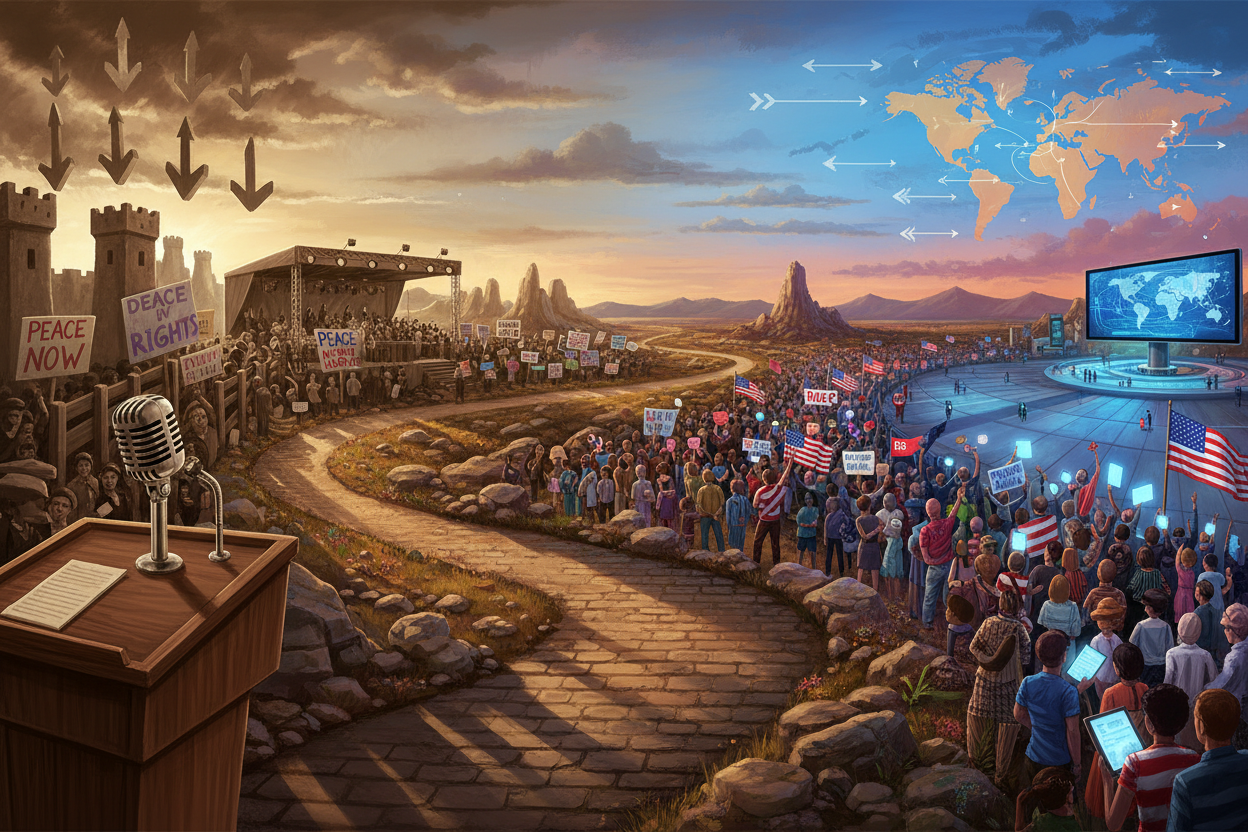
The America First Committee emerged in September 1940, during a time when Europe was already engulfed in World War II, but the United States remained officially neutral. Founded by Yale Law School student R. Douglas Stuart Jr., the organization quickly grew into the largest anti-war movement in American history, boasting over 800,000 members at its peak.
The movement’s core philosophy centered on the belief that America’s primary responsibility was to its own citizens and that involvement in foreign wars would only weaken the nation’s ability to address domestic challenges. This wasn’t merely isolationism for its own sake—supporters argued that America could best serve the world by remaining a strong, independent democracy rather than becoming entangled in European conflicts.

The America First Committee attracted a diverse coalition of supporters, including progressive politicians like Senator Burton Wheeler, conservative businessmen, pacifists, and ordinary Americans who remembered the devastating costs of World War I. This broad appeal demonstrated that skepticism about foreign intervention crossed traditional political lines, a pattern that would repeat throughout the movement’s history.
Charles Lindbergh: The Reluctant Political Leader
Charles Lindbergh’s involvement with the America First Committee transformed both the aviator’s public image and the movement’s reach. The man who had captured America’s imagination with his solo transatlantic flight in 1927 became the most recognizable face of the isolationist cause, though his entry into politics was far from inevitable.
Lindbergh’s political awakening came through his experiences in Europe during the late 1930s, where he witnessed firsthand the military buildup of Nazi Germany. Paradoxically, his observations of German air power convinced him that America should avoid war not out of fear, but because he believed the United States was unprepared for modern warfare and would suffer catastrophic losses if it entered the conflict prematurely.
His speeches drew massive crowds, with his September 11, 1941 address in Des Moines attracting over 8,000 attendees. Lindbergh’s aviation expertise lent credibility to his warnings about American military unpreparedness, while his celebrity status ensured widespread media coverage. However, his political involvement also exposed him to intense criticism, particularly after his Des Moines speech, where he identified “the Jewish race” as one of the groups pushing America toward war—comments that would haunt his legacy for decades.
The Wartime Collapse and Aftermath
The attack on Pearl Harbor on December 7, 1941, effectively ended the America First Committee overnight. The organization disbanded just four days after the attack, with Lindbergh and other leaders acknowledging that the debate over American involvement had been settled by Japanese aggression. The sudden collapse demonstrated how external events could instantly reshape political movements and public opinion.
The war years largely silenced America First voices, as the country united behind the war effort. However, the underlying tensions between internationalist and nationalist approaches to foreign policy didn’t disappear—they simply went dormant, waiting for new circumstances to bring them back to the surface.
Lindbergh himself struggled to rehabilitate his image during and after the war. Despite his attempts to serve his country—he flew combat missions in the Pacific as a civilian consultant—many Americans never forgave his pre-war stance. His experience illustrated the personal costs that political leaders can face when they align themselves with movements that fall out of favor.
Cold War Echoes: McCarthyism and Conservative Nationalism
While the America First Committee never reformed, its core ideas found new expression during the Cold War era. The rise of McCarthyism in the 1950s reflected similar concerns about foreign influence and the need to prioritize American interests, though the focus shifted from avoiding foreign wars to combating communist infiltration.
Conservative politicians like Senator Joseph McCarthy and later Barry Goldwater articulated versions of America First thinking that emphasized national sovereignty and skepticism of international organizations. The John Birch Society, founded in 1958, explicitly connected its anti-communist mission to earlier America First principles, arguing that international entanglements weakened America’s ability to defend itself against internal subversion.
These Cold War manifestations of America First thinking differed significantly from Lindbergh’s isolationism. Rather than avoiding foreign conflicts, Cold War nationalists advocated for aggressive anti-communist policies while maintaining suspicion of multilateral institutions like the United Nations. This evolution showed how America First concepts could adapt to new geopolitical realities while preserving their essential character.
The Modern Revival: Pat Buchanan and the New Isolationism
The end of the Cold War created space for a more explicit revival of America First themes, with Pat Buchanan emerging as the most prominent advocate for what he called “America First conservatism.” Buchanan’s presidential campaigns in 1992, 1996, and 2000 directly invoked the pre-war movement’s language and priorities, arguing that American foreign policy had become too focused on global commitments at the expense of domestic needs.
Buchanan’s version of America First combined traditional isolationist skepticism about foreign wars with populist concerns about immigration and trade. His 1992 campaign, which challenged incumbent President George H.W. Bush from the right, demonstrated that significant portions of the Republican base remained receptive to America First arguments, even during the supposed triumph of American global leadership.
The populist elements of Buchanan’s message—particularly his criticism of free trade agreements and his warnings about the cultural impact of mass immigration—would prove prescient, anticipating themes that would become central to American politics in the 21st century. His campaigns served as a bridge between the historical America First movement and its contemporary manifestations.
Trump Era: America First Returns to the Mainstream
Donald Trump’s 2016 presidential campaign marked the most successful political application of America First rhetoric since the 1940s. Trump explicitly adopted the slogan, using it as both a campaign theme and later as the organizing principle of his administration’s foreign policy. This revival brought America First ideas back into mainstream political discourse after decades on the margins.
Trump’s America First agenda combined elements from throughout the movement’s history: skepticism about international institutions reminiscent of the original America First Committee, concerns about trade deals that echoed Buchanan’s populism, and an emphasis on border security that reflected post-Cold War nationalist themes. The synthesis proved politically powerful, helping Trump win the presidency despite widespread establishment opposition.
The Trump administration’s policies—including withdrawal from international agreements, renegotiation of trade deals, and reduced military commitments abroad—represented the most comprehensive attempt to implement America First principles since before World War II. Whether one supported or opposed these policies, their impact on American politics and international relations was undeniable.
Contemporary Debates and Future Directions
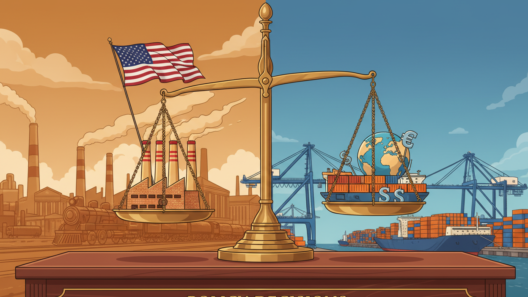
Today’s America First movement faces many of the same challenges that confronted its predecessors: how to balance legitimate concerns about national sovereignty with the realities of global interdependence. Modern advocates argue that previous generations of leaders sacrificed American workers and communities to benefit global elites, while critics contend that isolationist policies would weaken America’s position in an interconnected world.
The COVID-19 pandemic added new dimensions to these debates, with supply chain disruptions and vaccine nationalism providing fresh arguments for both sides. America First proponents pointed to shortages of medical equipment as evidence that globalization had made America dangerously dependent on foreign production, while internationalists argued that global cooperation was essential for addressing pandemic challenges.
Climate change, cybersecurity threats, and economic competition with China have created additional complexity for America First advocates. These challenges don’t respect national borders, making purely unilateral responses difficult. The movement’s future success may depend on its ability to articulate how America First principles can address transnational problems without abandoning core commitments to national sovereignty.
Lessons from History: Continuity and Change in American Politics
The persistence of America First themes across nearly eight decades of American political history reveals something fundamental about the American political psyche. Regardless of changing global circumstances, significant portions of the American electorate have consistently favored approaches that prioritize domestic concerns over international commitments.
This continuity doesn’t mean that America First movements are identical across time periods. Each generation has adapted the core message to address contemporary challenges, whether those were European wars, communist expansion, economic globalization, or immigration. The ability to evolve while maintaining essential principles has been key to the movement’s survival.
The controversy that has surrounded America First movements throughout their history also provides important lessons about the risks of political rhetoric. From Lindbergh’s problematic comments about Jewish Americans to modern debates about immigration and trade, America First advocates have repeatedly struggled to distinguish between legitimate policy disagreements and harmful stereotyping or scapegoating.
The America First movement’s journey from Charles Lindbergh’s isolationist speeches to modern political campaigns illustrates both the enduring appeal of nationalist themes in American politics and the ongoing tension between domestic priorities and global responsibilities. As America continues to grapple with its role in an increasingly complex world, understanding this history becomes more important than ever. The movement’s evolution shows how political ideas can persist across generations, adapting to new circumstances while maintaining their essential character. Whether one views America First as a necessary corrective to globalist overreach or a dangerous retreat from international leadership, its impact on American political discourse is undeniable and likely to continue shaping debates for years to come.