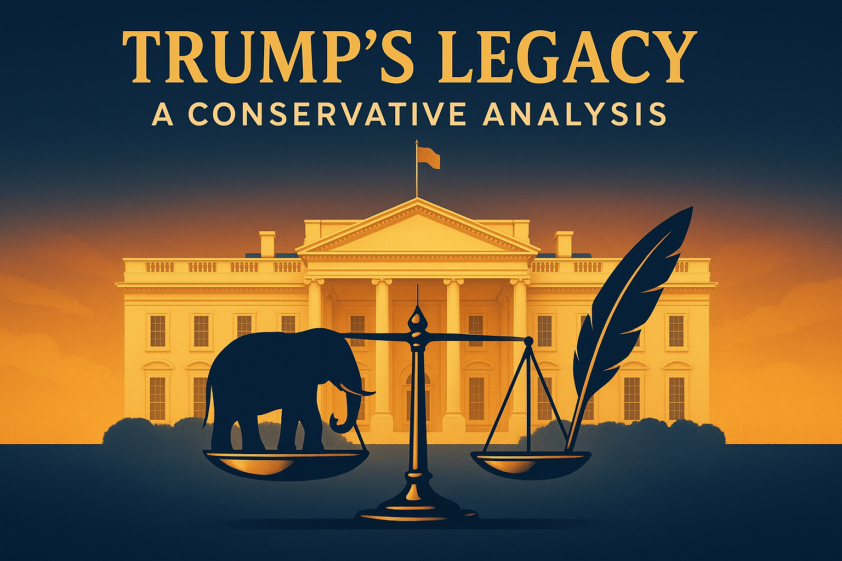
Trump’s Legacy: A Conservative Analysis
The presidency of Donald J. Trump is a chapter in American history that will be studied and debated for generations. For conservatives, Trump’s legacy is a complex tapestry of triumphs and challenges. Let’s delve into a conservative analysis of Trump’s impact on America, examining both his policies and the broader implications for the conservative movement. 🇺🇸
Introduction: The Trump Era in Perspective
Donald Trump’s rise to the presidency in 2016 marked a seismic shift in American politics. As an outsider with a business background and a penchant for direct communication, Trump’s style was as unconventional as it was polarizing. His tenure was characterized by a focus on “America First” policies, deregulation, and a redefinition of the Republican Party’s identity. Understanding Trump’s legacy requires an examination of his policies and their alignment with conservative values.
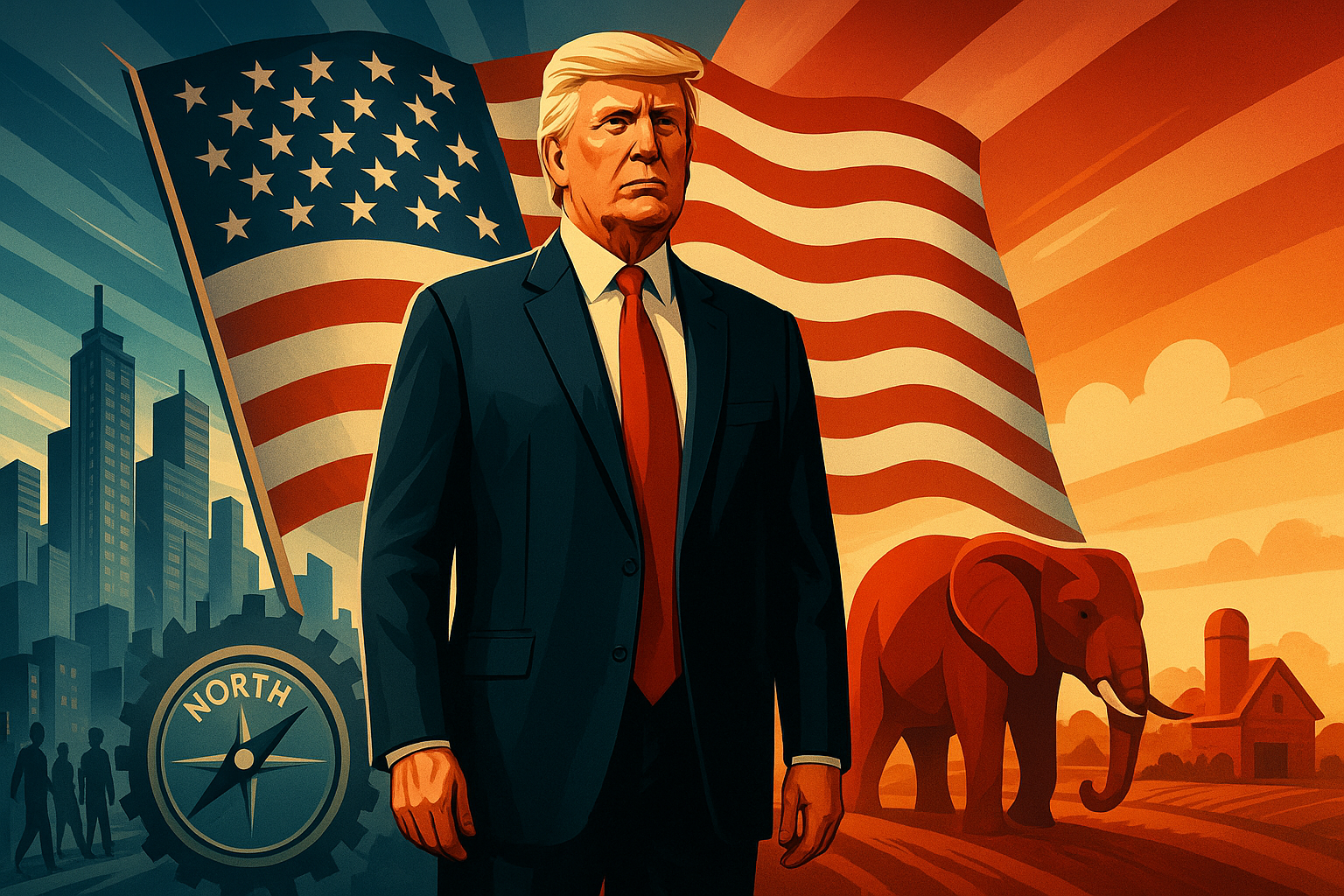
Economic Achievements: A Conservative Win
One of the most tangible aspects of Trump’s legacy is his economic policy. The Tax Cuts and Jobs Act of 2017 is often cited as a signature achievement. This legislation reduced corporate tax rates, aiming to stimulate economic growth and increase competitiveness. For conservatives, this move aligned with the long-held belief in reducing government intervention in the economy to foster a more dynamic market. 📈
Trump’s focus on deregulation also resonated with conservative principles. His administration rolled back numerous regulations across various sectors, arguing that these moves would unleash American entrepreneurship and innovation. The reduction of federal regulations was seen as a return to constitutional principles of limited government.
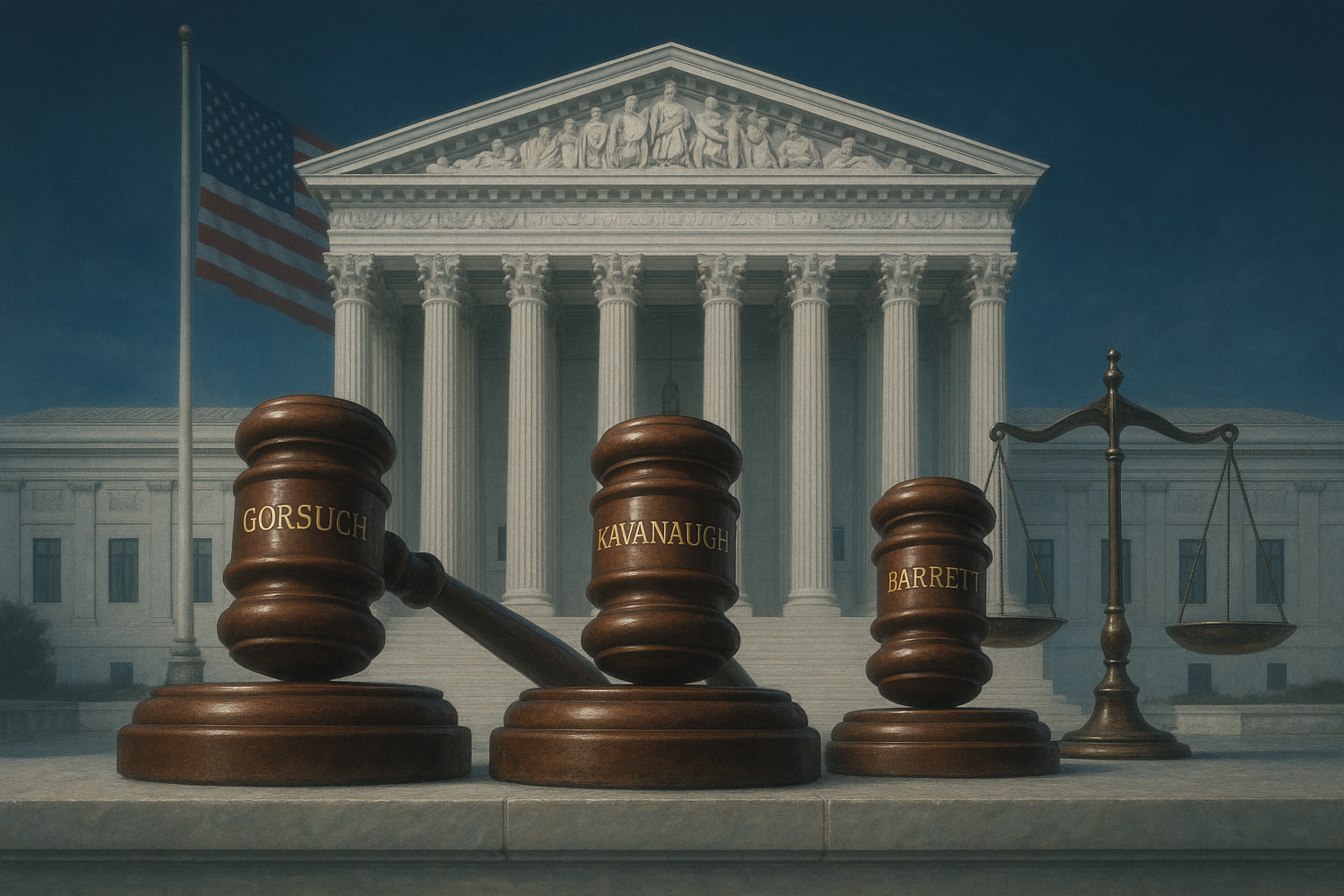
Judicial Appointments: A Lasting Impact
Perhaps the most enduring aspect of Trump’s legacy is his impact on the judiciary. His administration appointed three Supreme Court Justices—Neil Gorsuch, Brett Kavanaugh, and Amy Coney Barrett—shifting the balance of the Court towards a more conservative interpretation of the Constitution. This has significant implications for issues such as gun rights, religious freedom, and abortion.
Beyond the Supreme Court, Trump appointed over 200 federal judges, ensuring that his judicial philosophy will influence American law for decades. For conservatives, these appointments represent a triumph in preserving constitutional originalism and resisting judicial activism.
Foreign Policy: America First
Trump’s “America First” foreign policy aimed to redefine America’s role on the global stage. He prioritized renegotiating trade deals, such as the USMCA, which replaced NAFTA, and imposed tariffs to protect American industries. These moves were intended to bolster American manufacturing and reduce trade deficits, aligning with conservative priorities of economic nationalism.
However, Trump’s approach to international alliances and institutions was often contentious. His skepticism of NATO and withdrawal from the Paris Climate Agreement drew criticism but was defended by some conservatives as a necessary re-evaluation of America’s strategic interests. 🌍
Social and Cultural Dynamics: A Divisive Legacy
Trump’s presidency also significantly impacted America’s social and cultural landscape. His rhetoric and policies often polarized the nation, challenging norms and sparking intense debates on issues like immigration and race. While some conservatives appreciated his forthrightness and willingness to tackle controversial issues, others were concerned about the long-term effects on national unity and the conservative movement’s image.
Trump’s stance on immigration, including the travel ban and efforts to build a border wall, was a focal point of his administration. These policies were rooted in a commitment to national security and sovereignty, yet they also intensified partisan divides.
Conclusion: The Future of Conservatism
Donald Trump’s legacy is a multifaceted one, with both significant achievements and contentious challenges. For conservatives, his presidency reaffirmed certain core principles such as economic freedom, judicial conservatism, and national sovereignty while also prompting a re-examination of the party’s identity and values.
As the conservative movement looks to the future, it must grapple with the lessons of the Trump era. The challenge will be to build on Trump’s successes while addressing the divisions and controversies that arose during his tenure. The question remains: what will conservatism look like in a post-Trump America? Only time will tell, but one thing is certain—Trump’s impact on the conservative landscape is indelible. 🏛️
Join the Community
Want more than the headlines? Join Rock Nation on Substack for honest takes, deeper conversations, and independent content without the noise.