The Rise of America First and Its Global Implications
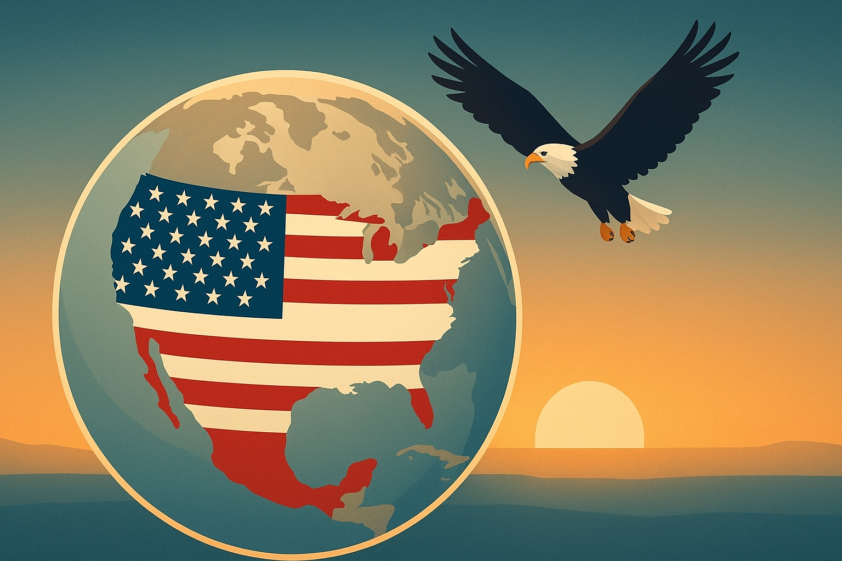
The concept of “America First” has been a prominent slogan in U.S. politics, particularly in recent years. It embodies a policy approach that prioritizes American interests above those of other nations. While this philosophy aims to strengthen the U.S. economy and national security, it has stirred significant debate and concern both domestically and internationally. Let’s explore the evolution of America First, its impacts on global relations, and what it means for the future. 🌍
Understanding the Origins of America First
The idea of America First is not new. It originally emerged in the early 20th century, gaining popularity during the interwar period as a call for isolationism and non-intervention in European conflicts. However, it reemerged in a modern context during the 2016 U.S. presidential election, championed as a central theme by then-candidate Donald Trump. The slogan was a rallying cry for policies that promised to bring jobs back to American soil, renegotiate trade deals, and tighten immigration controls. 📈
The Core Tenets of America First
At its heart, America First is about prioritizing the interests of the United States in global dealings. Key aspects include:
Economic Nationalism
America First advocates for a focus on domestic production and reducing reliance on foreign imports. This approach involves renegotiating trade agreements to favor American industries and implementing tariffs to protect domestic businesses from international competition.
Immigration Policy
The America First policy supports stricter immigration controls, arguing that this will protect American jobs and enhance national security. This includes building barriers to illegal immigration and reforming legal immigration systems to prioritize skilled workers.
Military Strength
Another pillar of America First is maintaining a strong military to deter threats and ensure national security. The policy emphasizes increasing defense spending and modernizing military capabilities.
Global Responses to America First
While America First policies aim to bolster the U.S. economy and security, they have provoked varied responses from the international community. Here are some key reactions:
Trade Tensions
The emphasis on economic nationalism has led to trade tensions with key partners. Countries affected by U.S. tariffs have often responded with their own trade barriers, leading to a cycle of retaliation that impacts global markets.
Diplomatic Strains
America First has sometimes strained diplomatic relations, particularly with allies who feel sidelined by unilateral U.S. actions. The approach has challenged multilateral agreements, from climate accords to security pacts, causing friction in international diplomacy.
Realignment of Alliances
Some countries have sought to realign their alliances in response to America First policies. This realignment can shift global power dynamics, as nations seek new partnerships and trade agreements outside of traditional U.S.-led frameworks.
The Future of America First
As the political landscape evolves, the future of America First policies remains a topic of discussion. While the approach has its supporters, it also faces criticism for potentially isolating the U.S. from global cooperation. Here are some possible scenarios:
Continued Domestic Focus
If America First policies persist, we may see a continued push for policies that prioritize domestic interests, from reshoring jobs to increasing tariffs on imports. This could bolster certain industries but may also lead to higher consumer prices.
Shift Towards Multilateralism
Alternatively, future administrations might shift towards more multilateral approaches, seeking to balance American interests with global cooperation. This could involve rejoining international agreements and fostering collaborative solutions to global challenges.
Conclusion
The rise of America First has undeniably shaped U.S. policies and global relations in recent years. While it aims to prioritize American interests, its implications are far-reaching, influencing everything from trade to diplomacy. As the world becomes increasingly interconnected, the challenge will be finding a balance that promotes both national prosperity and global stability. 🌐
For now, the conversation around America First continues, reflecting broader debates about national sovereignty, globalization, and the future of international relations. Whether America First remains a guiding principle or evolves into something new, its legacy will be felt for years to come.
Join the Community
Want more than the headlines? Join Rock Nation on Substack for honest takes, deeper conversations, and independent content without the noise.